Unlock Your Potential with Chong Kio's Wellness Education Series!
New Product: Herbal Wellness Tea Series
Experience the Benefits of Herbal Healing!
Join Our Monthly Wellness Workshops!
 Back To Product Encyclopedia
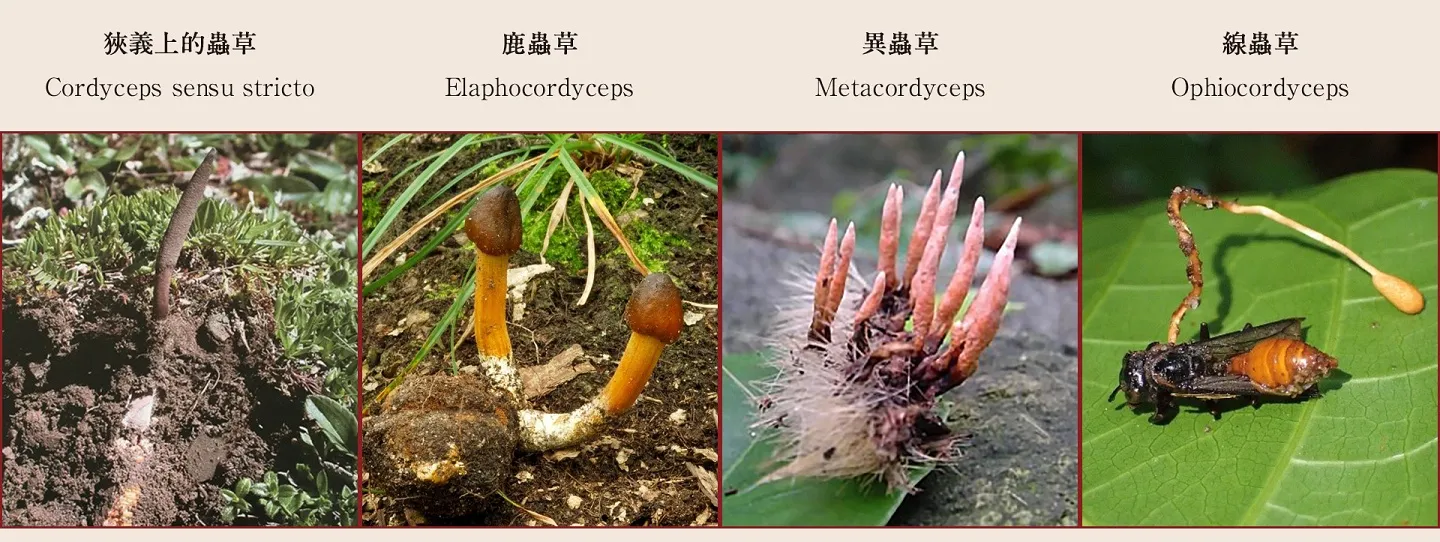
 In the world, there are over 400 species collectively referred to as “Cordyceps.” The main types include the strict sense of Cordyceps (Cordyceps sensu stricto), antlered Cordyceps (Elaphocordyceps), entomopathogenic Cordyceps (Metacordyceps), and worm Cordyceps (Ophiocordyceps).

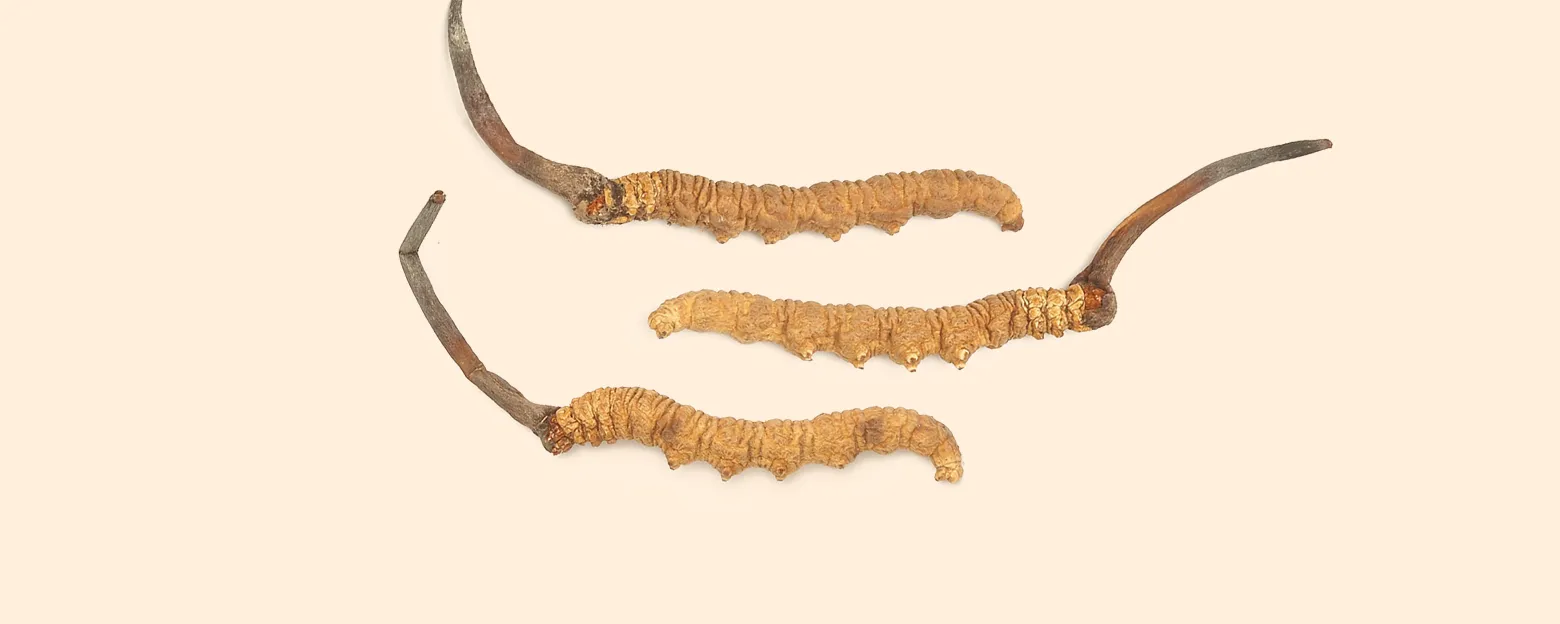
Among them, the most effective in regulating human body functions is none other than “Cordyceps Sinensis” (冬虫夏草) in Chinese. During the summer, the fungus invades and consumes the larvae in the soil until they die. After the winter, the fungal mycelium begins to grow and emerges from the ground in the summer, resembling a small grass-like structure.
 Neutral
 Kidney
 Sweet
Sweet Salty
SaltyAccording to ancient medical books, Cordyceps Sinensis originates from the Qinghai-Tibet Plateau and had been used prior to the Qing Dynasty. It was officially included in the pharmacopoeia during the reign of Emperor Qianlong, with documented effects of tonifying Qi, consolidating essence and nourish lungs. From modern scientific perspective, Cordyceps Sinensis contains essential amino acids, vitamins B1, B2, B12, K, various types of carbohydrates such as monosaccharides and oligosaccharides, as well as important medicinal polysaccharides, proteins, sterols, nucleosides, and trace elements. Research reports on the medicinal value of its main active compounds, such as cordycepin and cordycepic acid, are also extensive.
. Regulate Immune System Function
The polysaccharides in Cordyceps Sinensis account for 3-8% of its total weight. Extensive experimental evidence suggests that fungal polysaccharides have a wide range of biological activities, including anti-tumor, anti-influenza virus, immune-enhancing, hypoglycemic, cholesterol-lowering, and antioxidant effects.
. Regulate the Respiratory System
“Cordycepic acid” has the function of nourishing the lungs, benefiting the kidneys, stopping bleeding, and transforming phlegm. It can enhance bronchial cilia activity and regulate bronchial smooth muscle. It has particularly significant effects on patients with pulmonary tuberculosis, as well as the elderly, and those with chronic bronchitis and asthma caused by smoking.
. Liver Production
“Cordycepin” and “Cordyceps polysaccharides” can enhance the phagocytic ability of liver cells, reduce the damage of toxic substances to the liver, and have anti-fibrotic effects on the liver.
. Inhibits Tumor Cell Growth
“Cordycepin” is an inhibitor of polyadenylation and can activate AMP-activated protein kinase (AMPK) while reducing mammalian target of rapamycin (mTOR) signaling. This may lead to the induction of tumor cell apoptosis and a reduction in tumor cell proliferation.
. Improve Sleep Quality
Caterpillar Fungus, containing substances such as cordycepin, cordyceps acid, and various amino acids, has been found to have sedative effects and can help improve sleep quality.
. Anti-fatigue
Caterpillar Fungus, with its constituents such as cordycepin, cordyceps acid, and various amino acids, has been found to have anti-fatigue and stress-relieving effects. These nutrients help regulate the central nervous system function, aiding in the management of fatigue and stress.
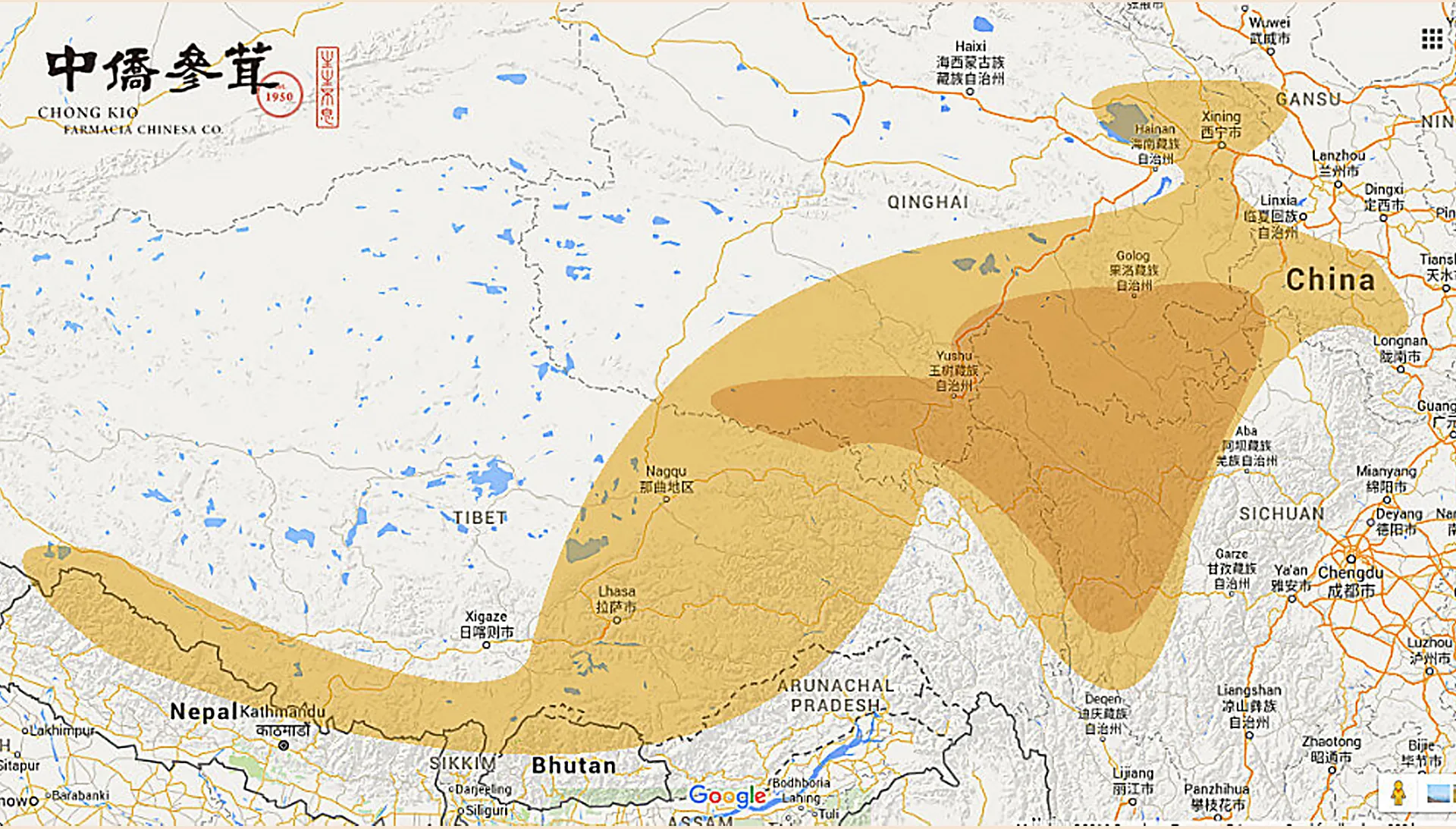
Cordyceps Sinensis is commonly found in the snow-line highlands above 3,000 meters above sea level, including southwest China (Tibet Autonomous Region and Qinghai, Sichuan, Yunnan and Gansu) and countries on the upper southern slope of the Himalayas (Nepal, Bhutan and northeastern India).
Cordyceps Sinensis grows on grassy slopes near the snow line in alpine meadow shrubs at altitudes of 3,000 to 5,000 meters.
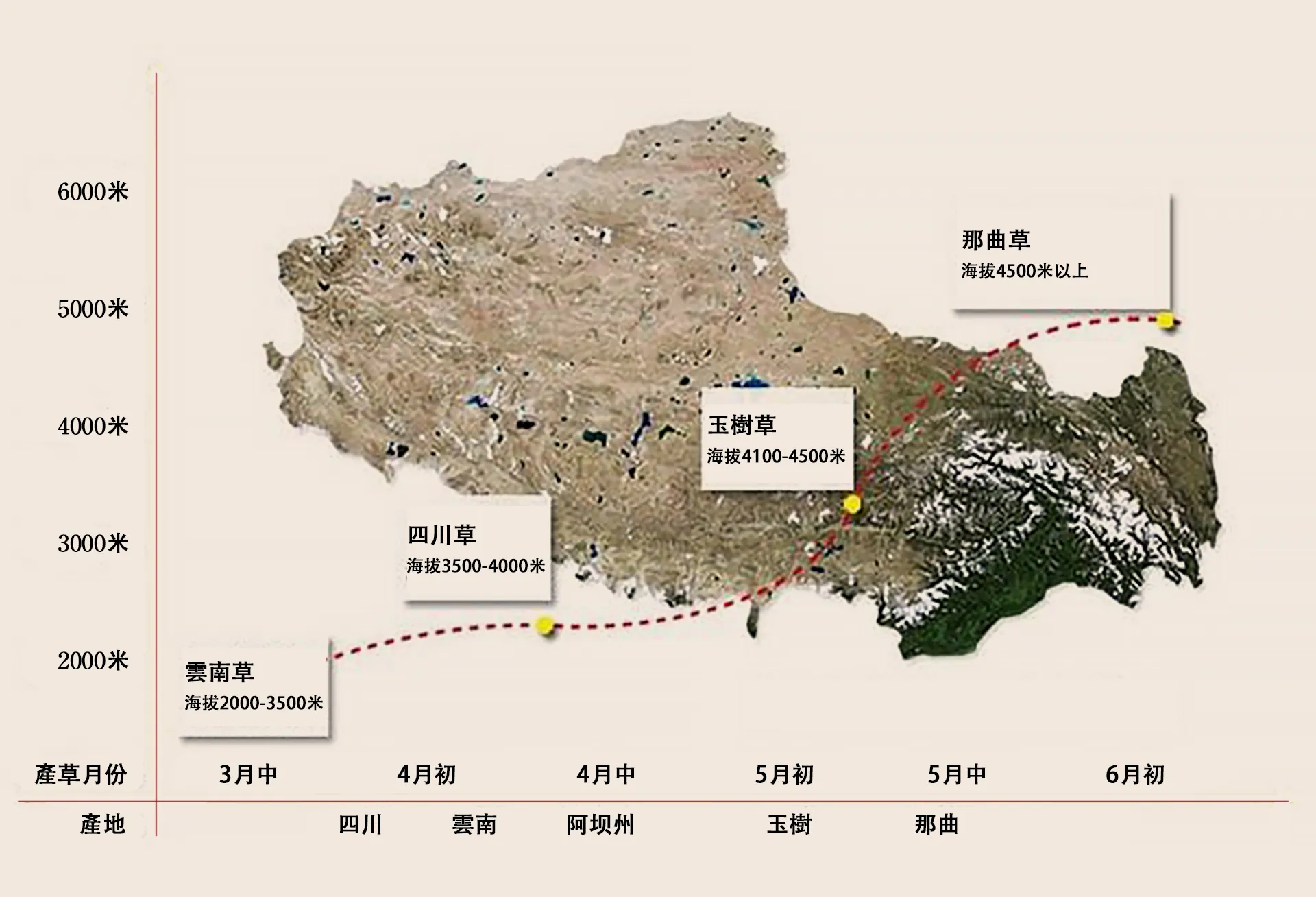
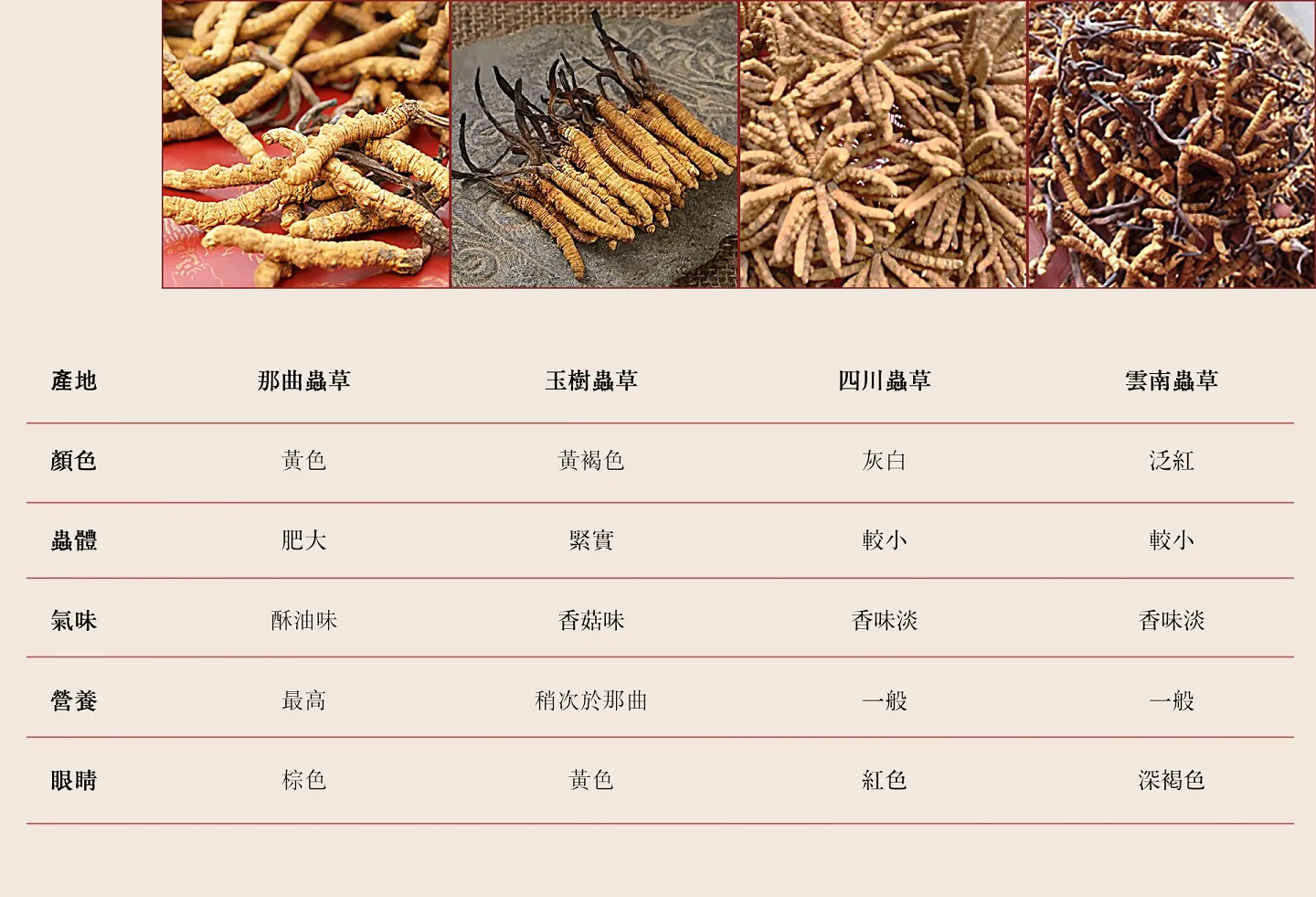
Different altitudes and different soils produce different quality of Cordyceps. And the best production area is located at an altitude of more than 5,000 meters above sea level, in the grasslands of Nagqu, Tibet. In Tibet, it’s called “Yartsa Gunbu”.
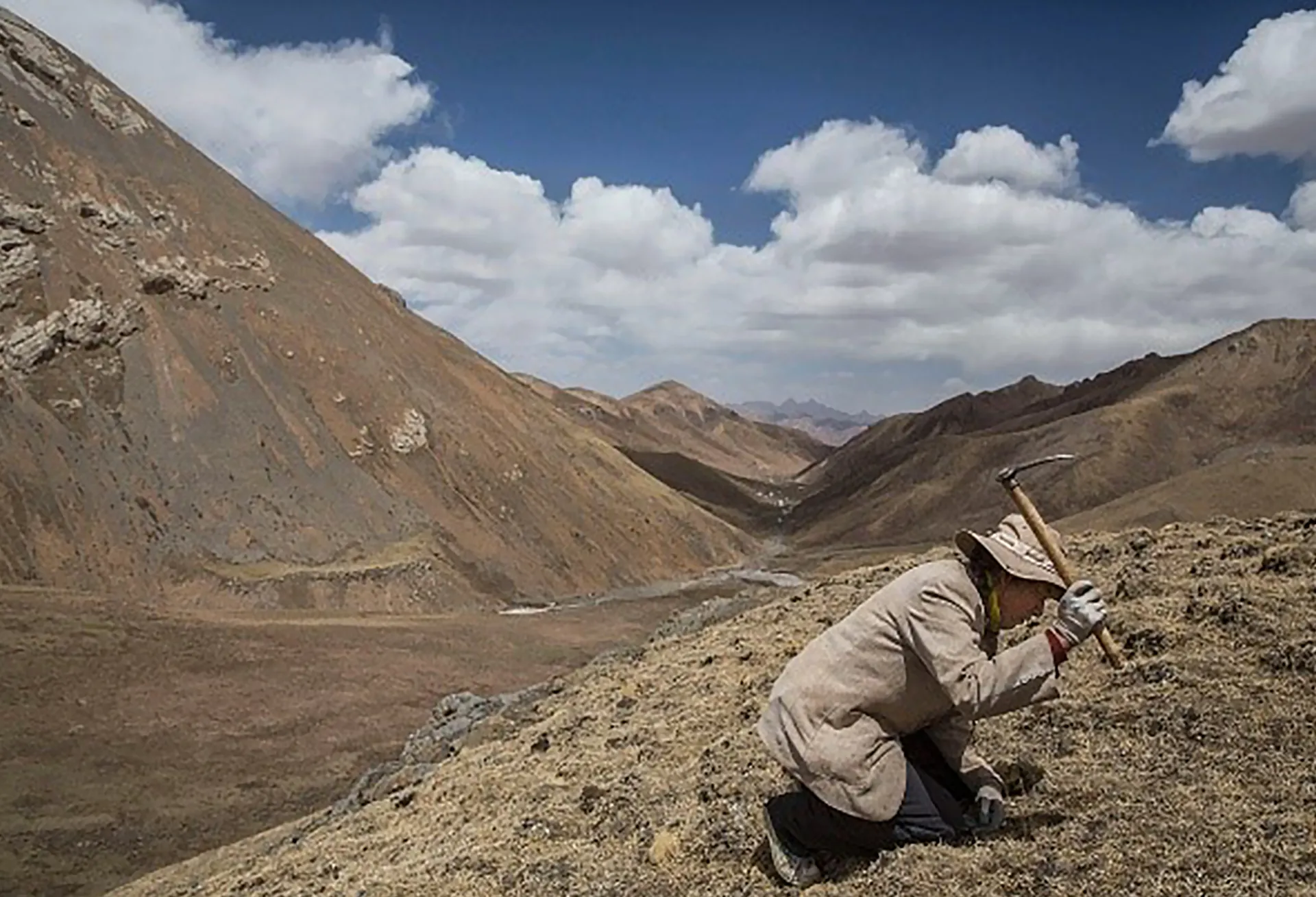
Because Naqu is the highest grassland among many production areas, and the snow melts for a long period. The production month of Naqu is from June to August every year, compared with the production period of Yunnan is about March.