Unlock Your Potential with Chong Kio's Wellness Education Series!
New Product: Herbal Wellness Tea Series
Experience the Benefits of Herbal Healing!
Join Our Monthly Wellness Workshops!
 Back To Product Encyclopedia
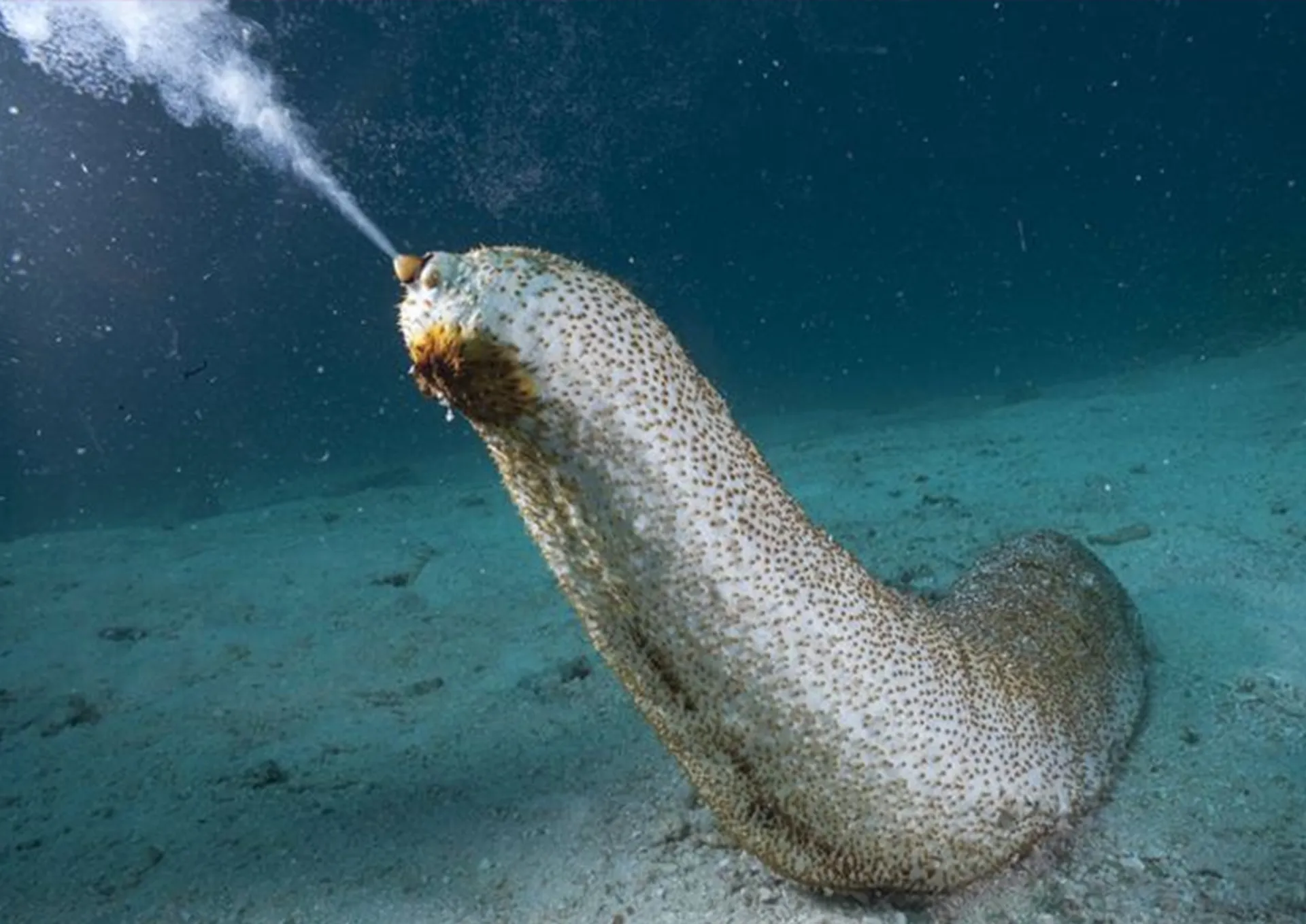
 Sea cucumber is a marine echinoderm that lives at a depth of 8,000 meters and has a history of more than 600 million years. Sea cucumbers have a strong ability to regenerate, and once they encounter an enemy attack, they will spit out their internal organs for the enemy to eat, so as to escape, and then in a short time, they can regenerate new internal organs. What’s even more interesting is that the sea cucumber is cut into several sections, each of which can survive and grow independently. This regenerative ability gives sea cucumber outstanding medicinal value and numerous tonic effects. According to the “Compendium of Materia Medica”, it is recorded that sea cucumber, sweet and salty, tonifies the kidney, benefits the essence, takes urine, aphrodisiac and cures impotence, its sexual temperature is supplemented, and the enemy ginseng is enough, so it is called sea cucumber. Sea cucumber is as famous as ginseng, bird’s nest, and shark fin, and is one of the eight treasures in the world.
 Neutral
 Liver
Liver Kidney
 Spleen
 Heart
Heart Sweet
Sweet Salty
SaltyImprove physical fitness, alleviate female menopausal symptoms, enhance hematopoietic function and replenish collagen are some of the benefits attributed to this substance.
| . | Enhance physical fitness and soothe menopausal syndrome in women Sea cucumber contains chondroitin sulfate, an essential element for the extracellular matrix and cell epidermis of animal tissues, which effectively accelerates cell metabolism and helps relieve menopausal syndrome in women. Intake of sufficient amount of ‘chondroitin sulfate’ helps the growth and development of the human body, can delay aging, and enhance the body’s immunity. |
| . | Enhance hematopoietic function The trace element ‘vanadium’ in sea cucumber ranks first in the food industry, and vanadium can participate in the transport of iron in the blood, thereby enhancing the human hematopoietic function. This has the effect of accelerating blood circulation for the elderly, thereby enhancing metabolism, prolonging life, nourishing yin and kidneys, and aphrodisiac and essence. |
| . | Replenish collagen More than 70% of the protein in the body of sea cucumber is composed of bone collagen, so sea cucumber is rich in ‘bone collagen’, which effectively replenishes the subcortical collagen that the human body continues to lose, so as to achieve the effect of nourishing blood and moisturizing dryness, beauty and beauty. |
| . | Inhibits cancer cells The latest scientific research has found that the body wall, internal organs and glands of sea cucumber contain a special substance ‘sea cucumber toxin’, which can effectively inhibit the growth of a variety of molds and inhibit the metastasis of cancer cells in the body. |
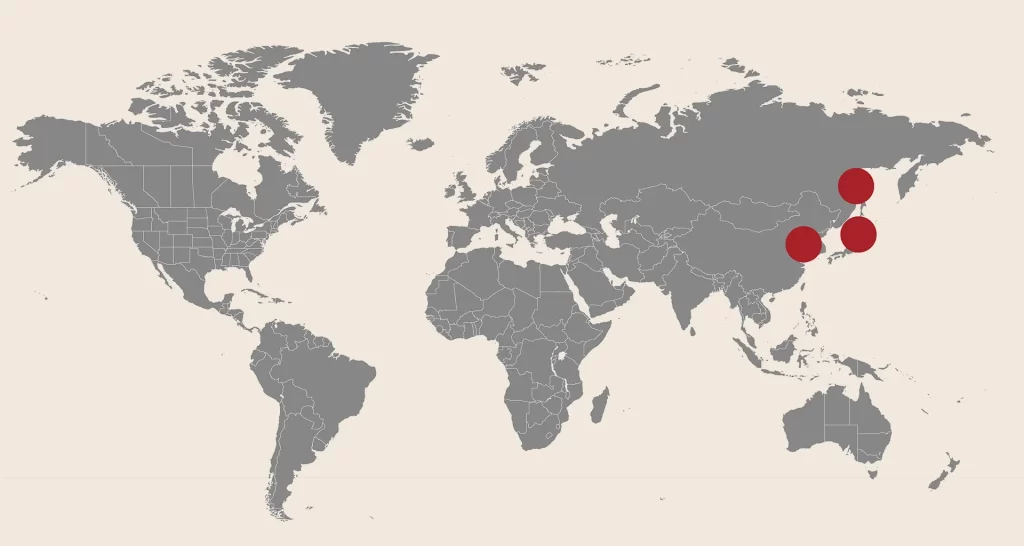
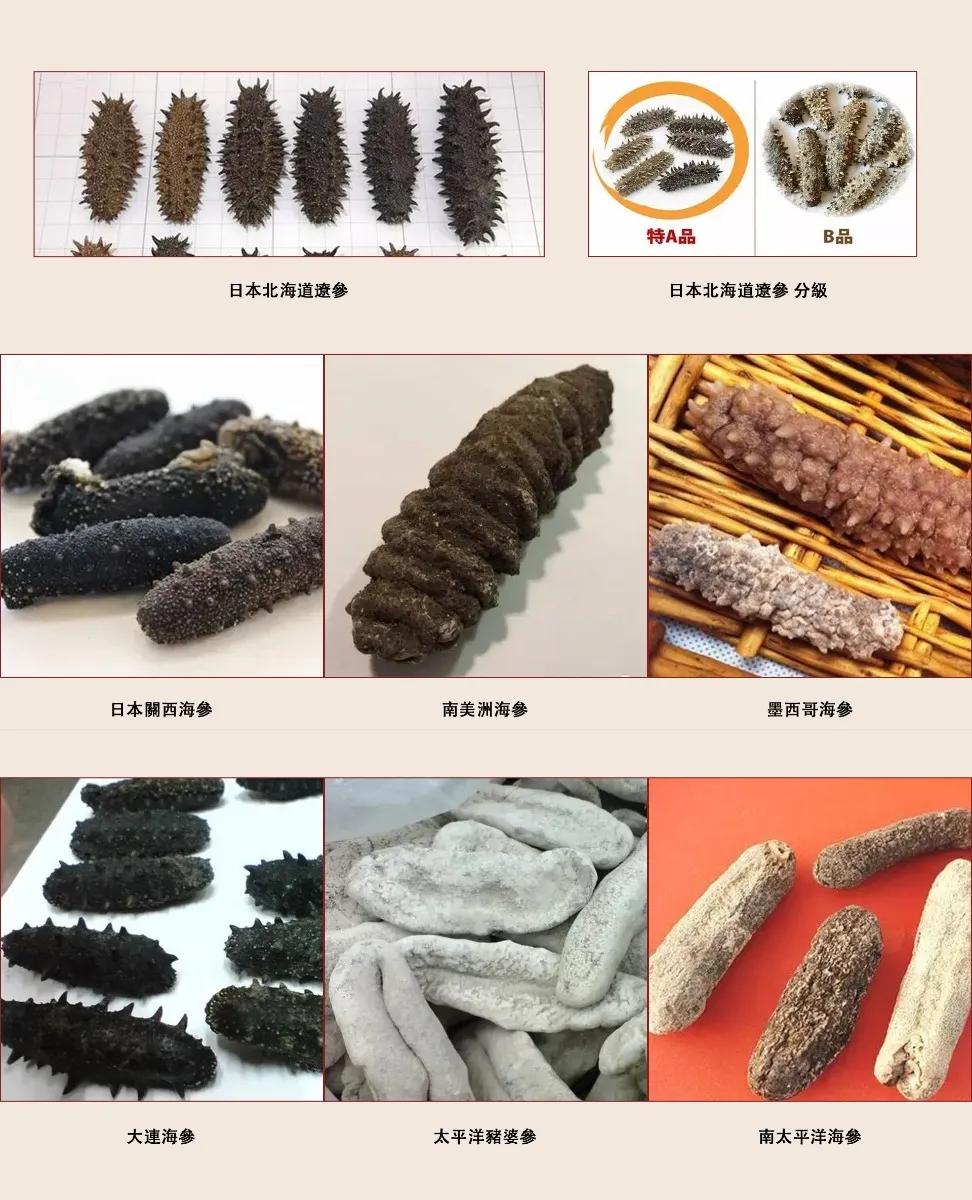
There are more than 1,500 species of sea cucumbers, and only 30 of them are edible. Sea cucumbers are widely distributed in the world’s oceans and feed on
seabed algae and plankton. The water temperature in Hokkaido is low all year round, and the natural and pollution-free environment of microorganisms and
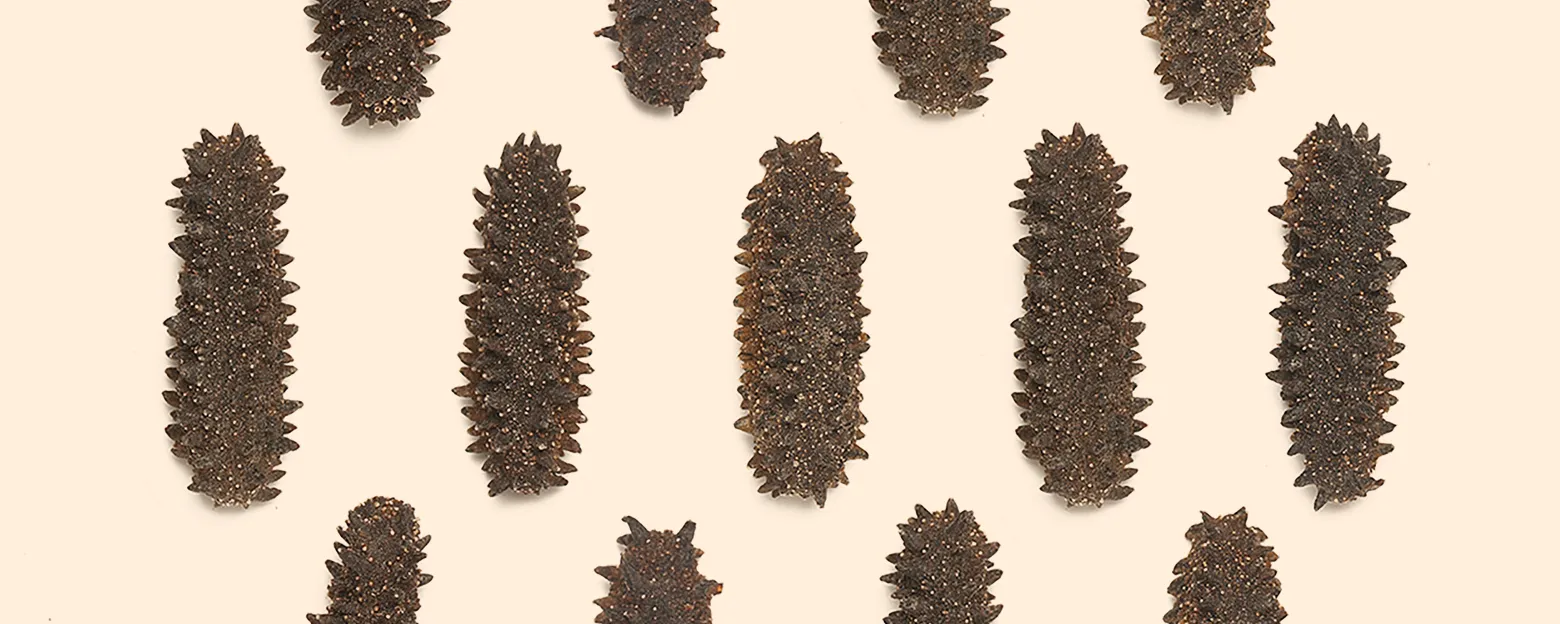
seaweed produces high-quality sea cucumbers that are dark brown and bright black, plump, impurity-free, and salt-free.
Sea cucumbers live at the seabed with relatively low water temperature, and usually feed by filtering impurities in sand.
Sea cucumbers thrive best in waters with temperatures ranging from approximately 13℃ to 22℃, and their breeding season spans from April to August. There are primarily two ways in which sea cucumbers grow – in the wild and through natural farming practices.
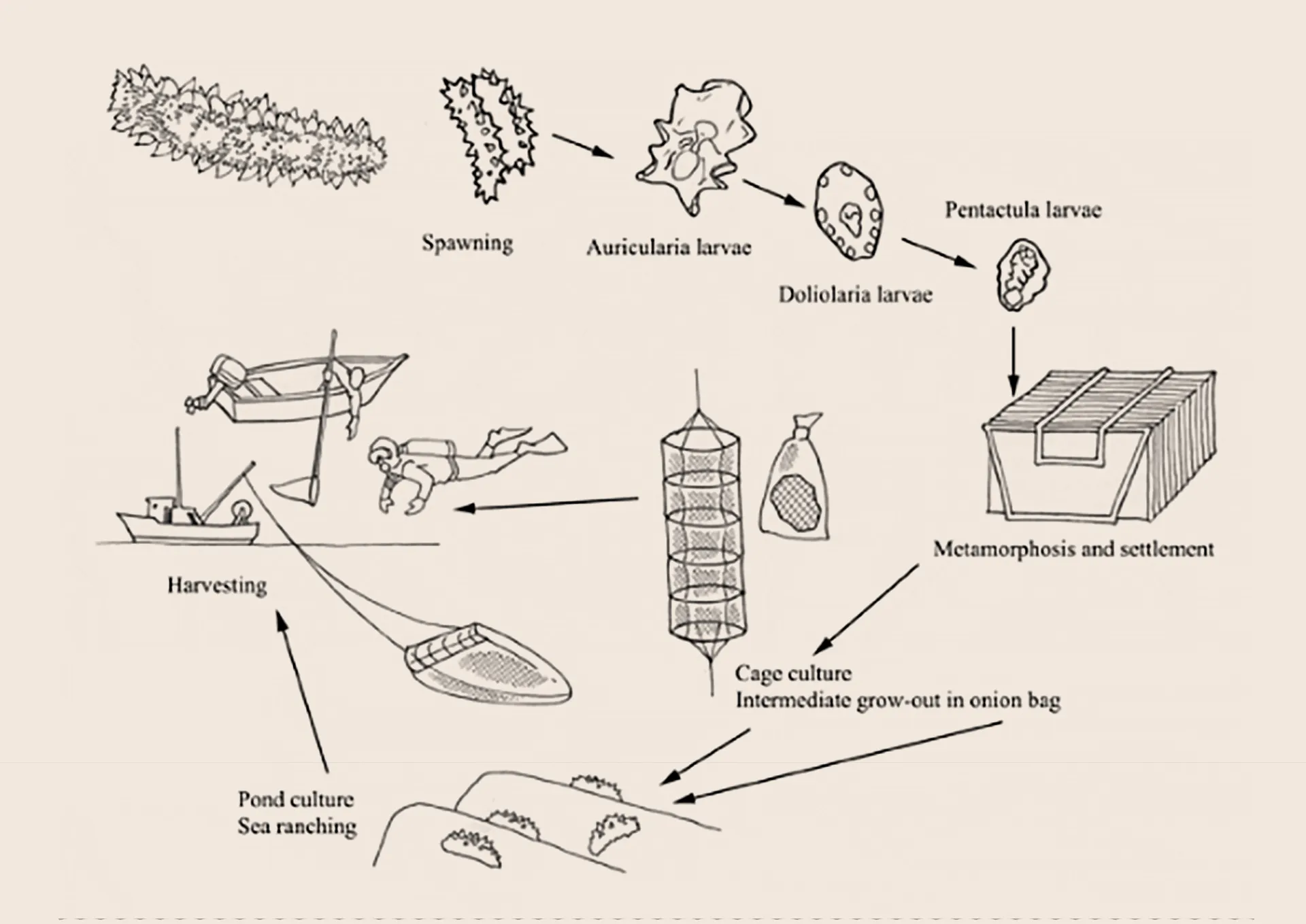
In Japan, farming facilities nurture sea cucumber seedlings until they reach a certain size, after which they are released into the ocean for free-range growth. Conversely, some nations opt to farm sea cucumbers in cages at sea, thereby restricting their movement to a certain extent.

During their growth process, sea cucumbers may encounter various conditions. High sea water temperatures, pollution in the sea water, and tsunamis occurring at the seabed all pose serious threats to sea cucumbers, impeding their growth.
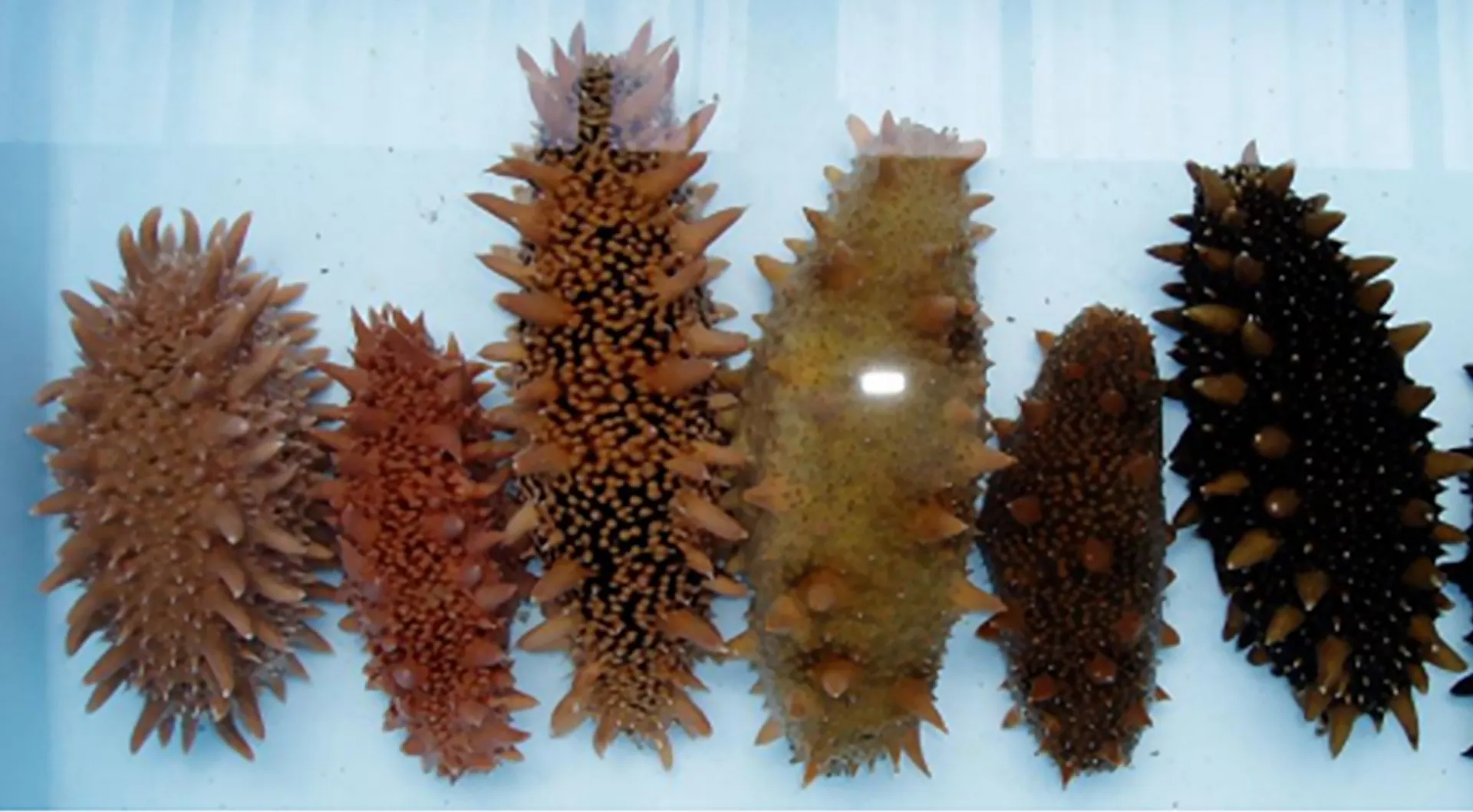
The fisheries association in Japan stipulates that sea cucumbers must be allowed to grow for at least four years before harvesting, ensuring they have sufficient time to mature and playing a protective role in their sustainable development and ecological balance.
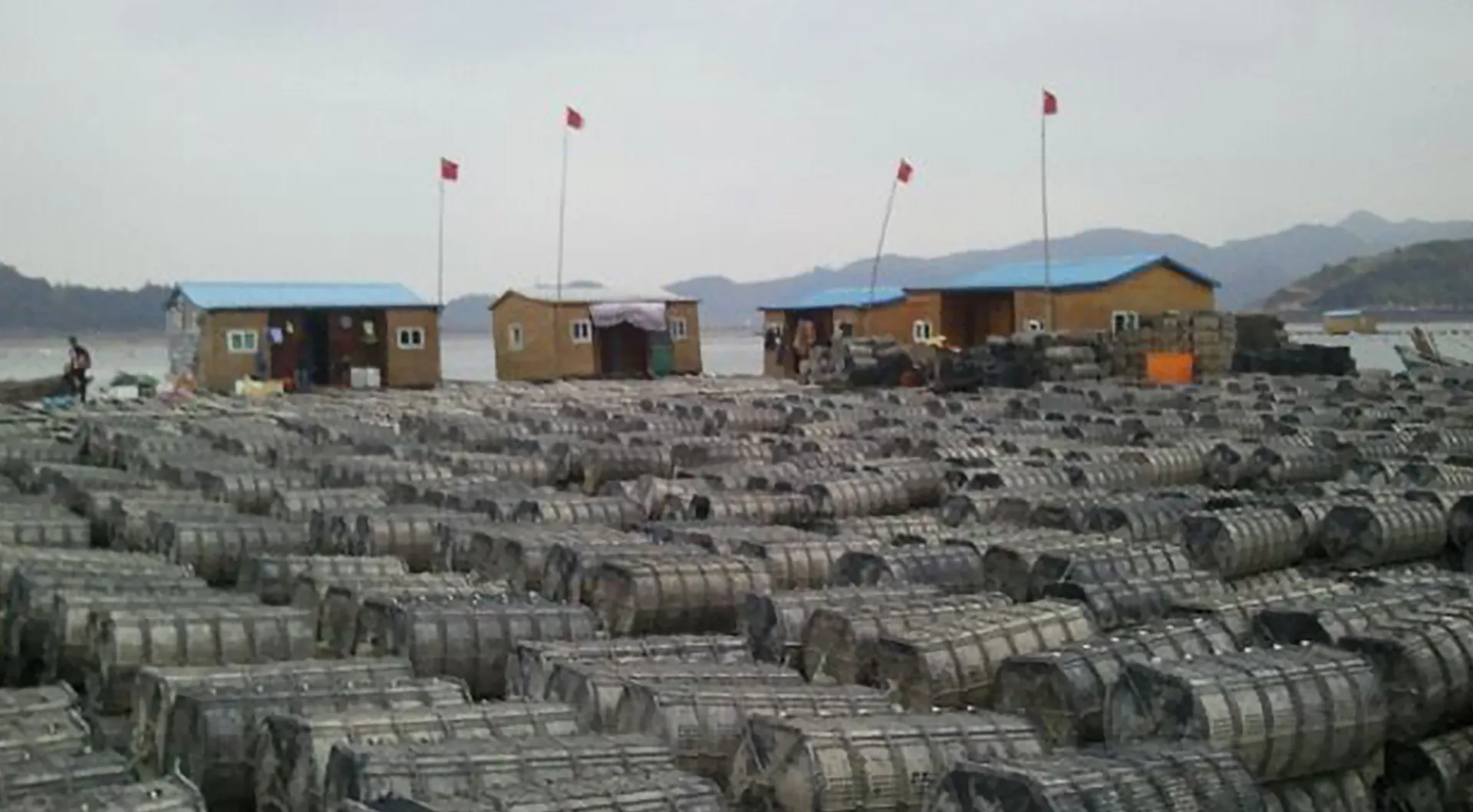
In Fujian and Dalian, there are also sea cucumber farms, though their farming methods differ from those in Japan. In Fujian, sea cucumber seedlings are placed in cages, and farmers regularly feed them with foods like seaweed to ensure they receive sufficient nutrition.
After salvage, it is made by washing, removing intestines, boiling, dehydrating, pickling, washing, and drying
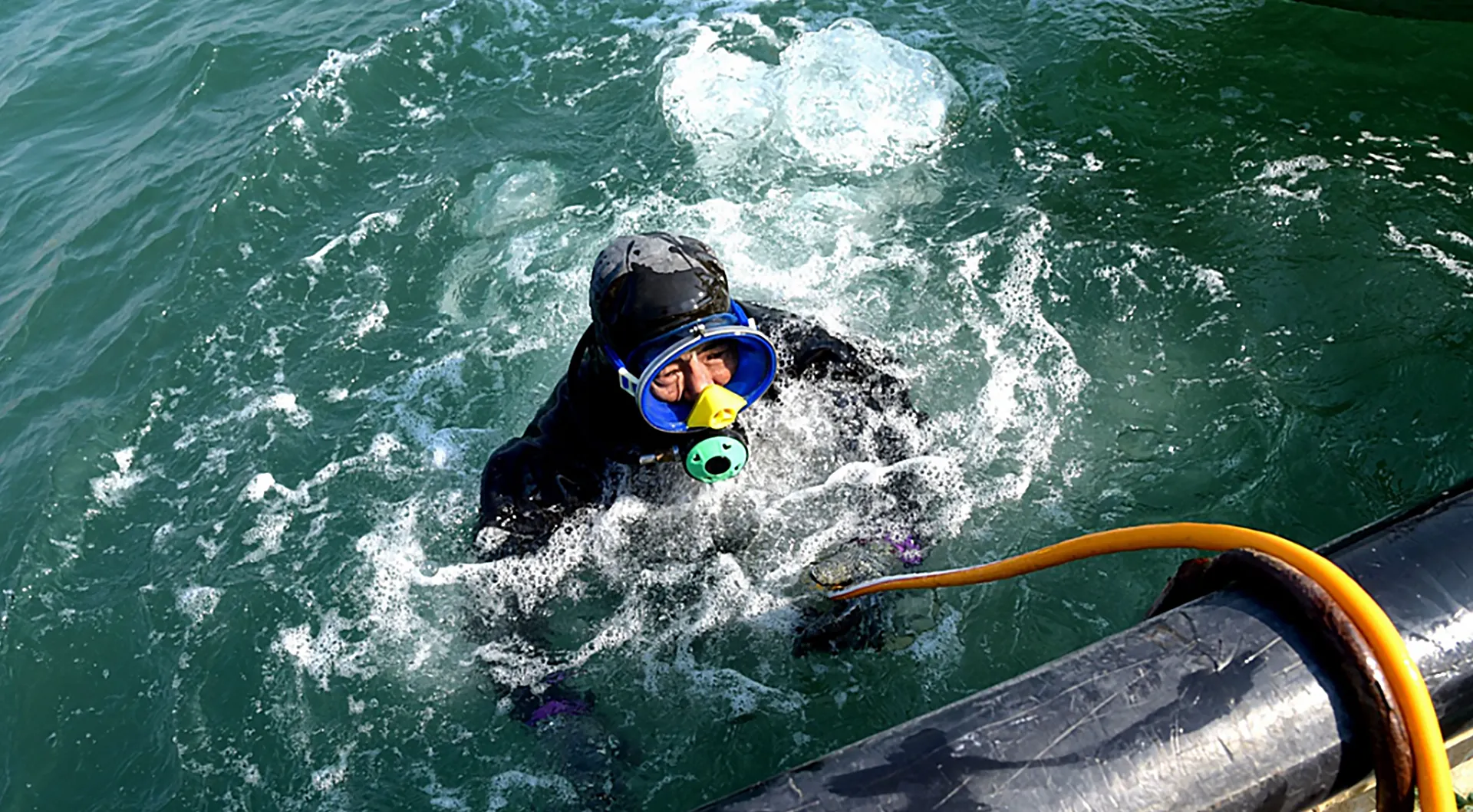
Hokkaido’s sea cucumbers are harvested in April and May every year. Divers dive to the bottom of the sea and select sea cucumbers with a growth period of 4~7 years one by one.
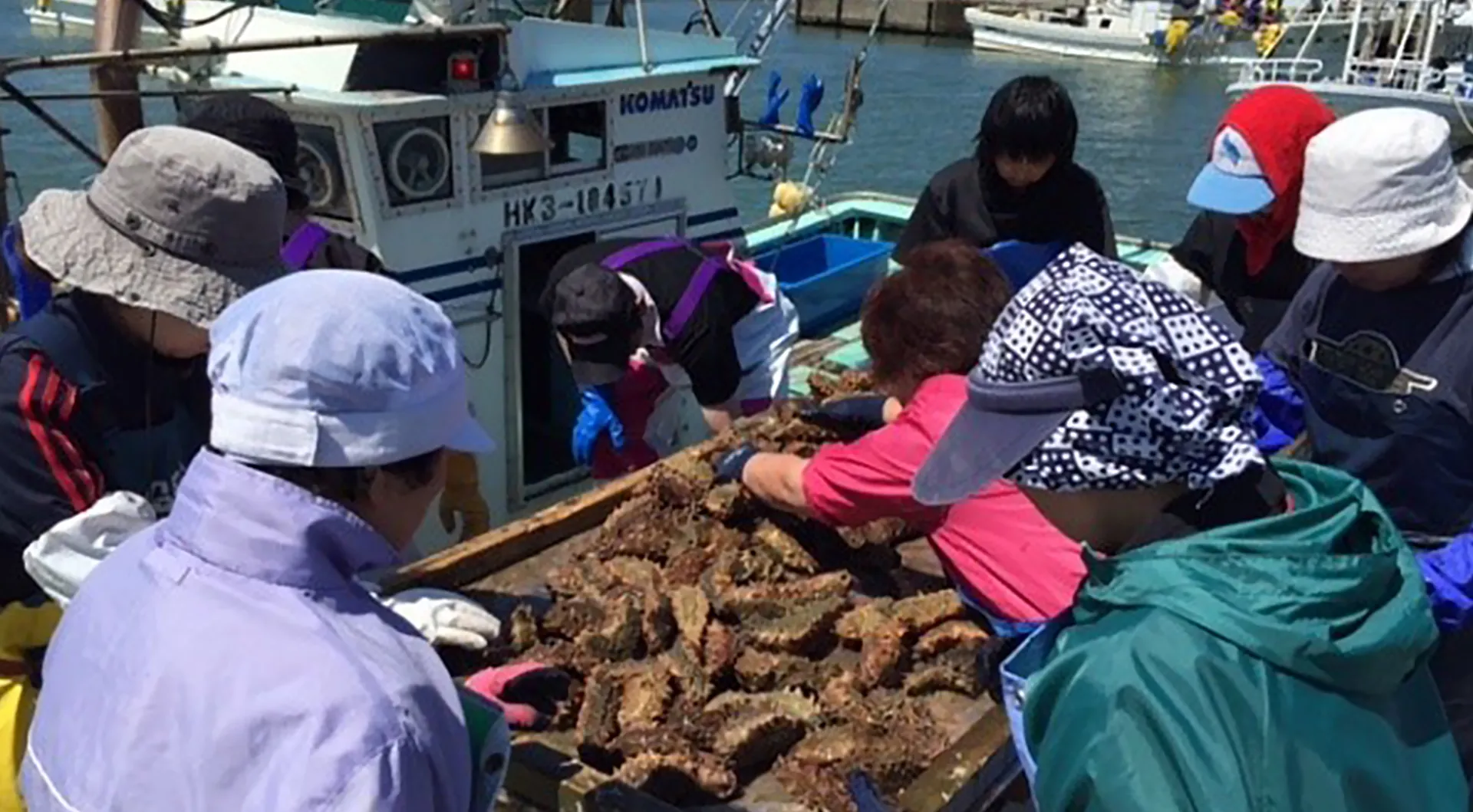
Live sea cucumbers are not heat-tolerant and contain an autolytic enzyme that dissolves automatically when left out of the water for too long and at too hot temperatures. Therefore, the sea cucumbers are processed immediately to ensure the freshness of the sea cucumbers
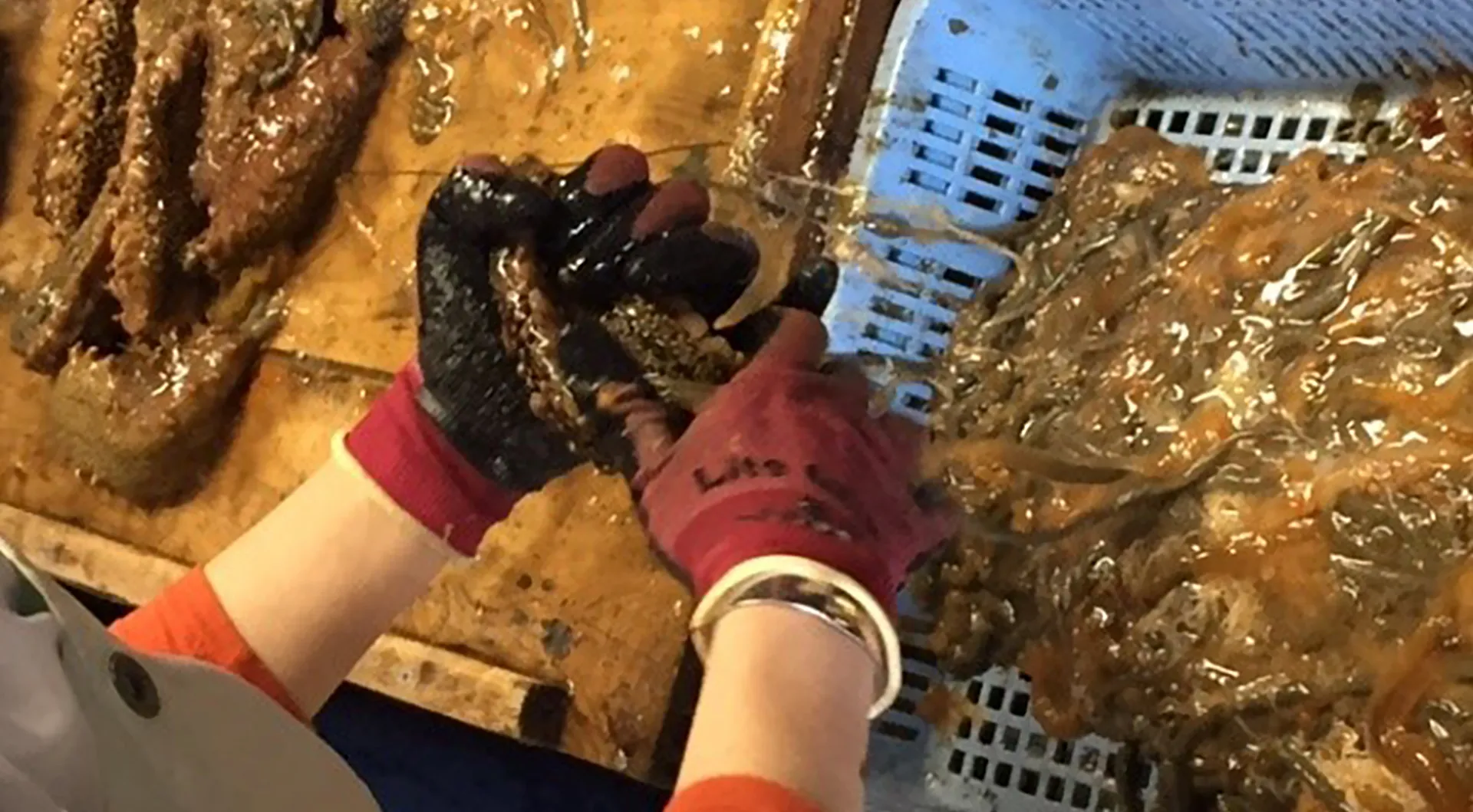
Workers use a knife to remove internal organs from the abdomen of the sea cucumber, and then wash the sea cucumber with water.
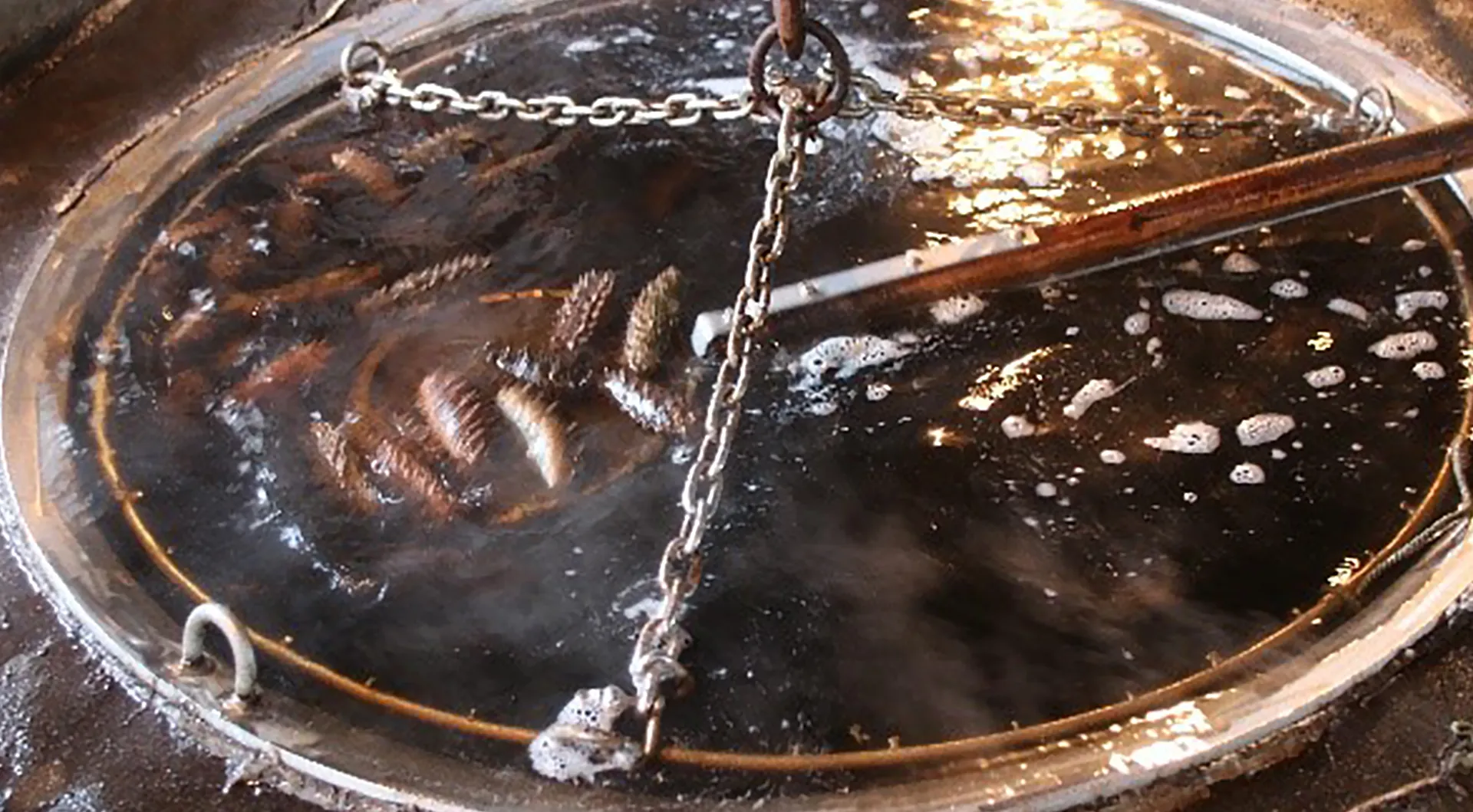
The dried sea cucumber is boiled in a pot, and in Japan, processing plants that have been doing so for generations have been cooking in a traditional iron pot to ensure an even temperature.
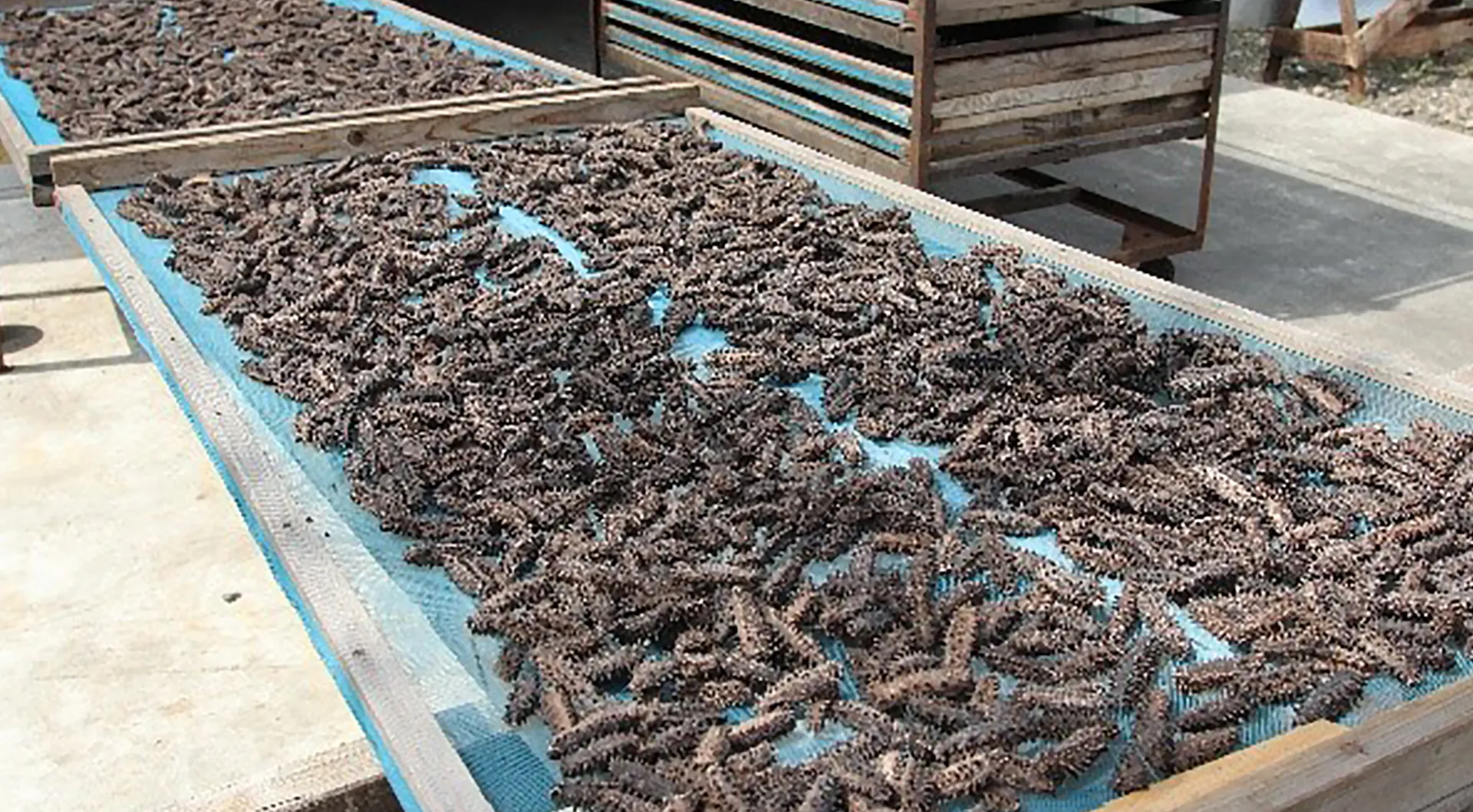
Japanese sea cucumbers are usually dried naturally so that the water content of sea cucumbers is less than 3%, and dried sea cucumbers are made to preserve the natural seawater flavor of sea
cucumbers.
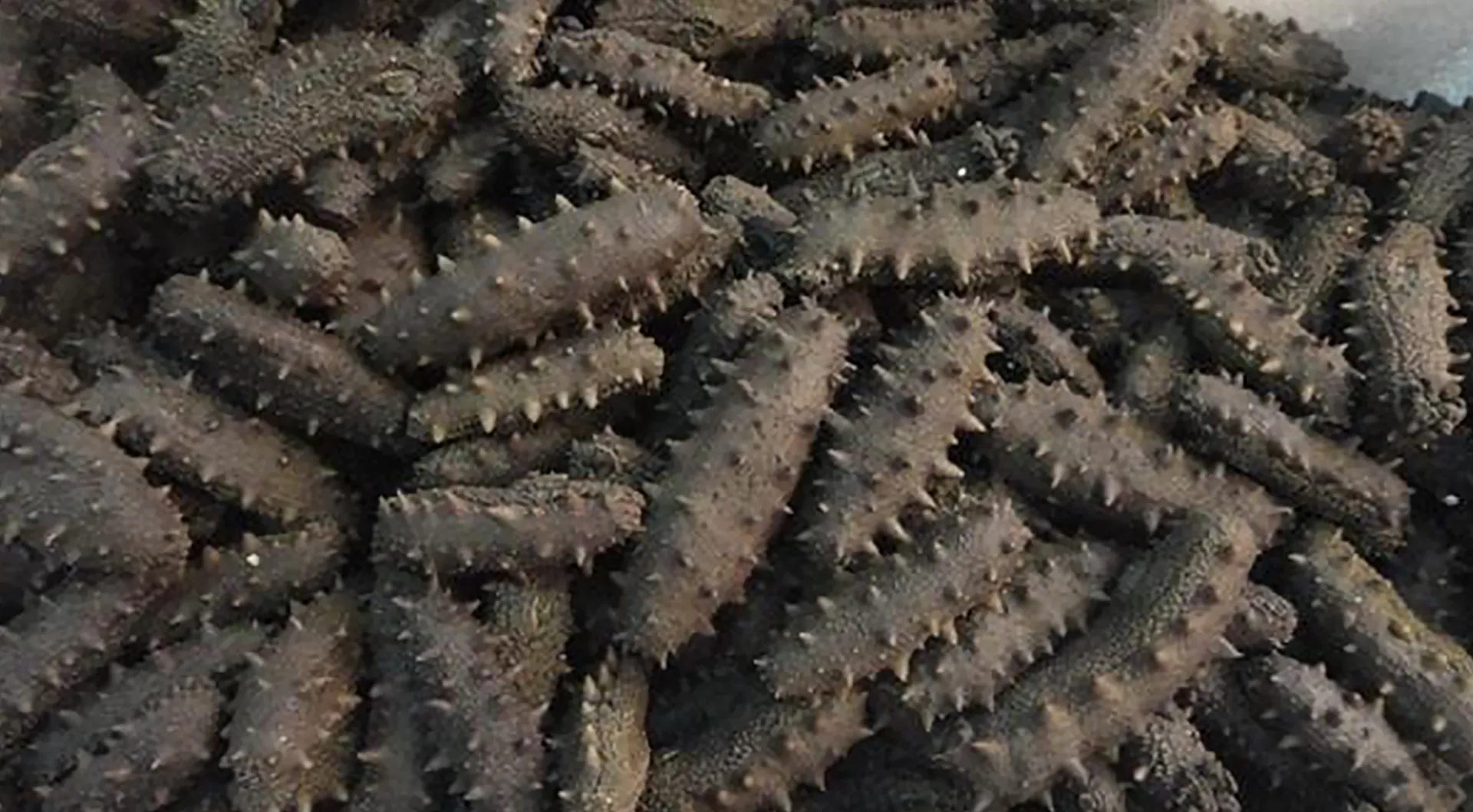
In addition to the traditional method of natural air drying, the practice of salting is also more common in the Chinese market. The sea cucumber is marinated and dried with a large amount of salt, but at the same time, a layer of salt frost will form on the surface of the sea cucumber, making it difficult for the core moisture to drain out. Salted sea cucumbers are relatively heavy, and their moisture will be maintained at about 12%.