 Back
Back Things Postpartum Women Should Consider Before Drinking Herbal Tea
Overview
Postpartum women face physical and emotional imbalances, making mindful herbal tea consumption essential.
Safe teas like Chong Kio’s and structured programs such as Mooniva support recovery, restore Qi, and promote long-term well-being.
Avoid certain herbs, monitor sensitivities, and follow recommended frequency to protect both mother and baby during healing and breastfeeding.
Things Postpartum Women Should Consider Before Drinking Herbal Tea
After childbirth, women enter a delicate state as their Qi, the vital life force, is depleted, leading to internal imbalances. Recovery requires attention to both physical and emotional healing, making gentle and restorative remedies an important part of the postpartum process. With over 40 million postpartum women facing long-term health issues, supportive care for body and mind is crucial.
One culturally embraced method in Hong Kong and Macau is tea-drinking. However, there are a few things postpartum women should consider before drinking herbal tea. Knowing what these are promotes safe recovery for mother and child alike.
Continue reading to learn more.
Assess Herbal Tea Effects

Next, ask yourself: Will this affect my recovery, or will it harm my baby when feeding? Herbal tea has multiple benefits. However, every mother’s body has a different reaction to its effects.
Ingredient Inclusions
Choose teas with inclusions that safely restore your strength. While some teas may be crafted for postpartum women specifically, some might still contain elements that are harmful to you specifically. Herbs like red dates and gogi berries are known for replenishing Qi and enriching the blood, both of which are safe and ideal for your recovery.
Brand Reliability
Consider very carefully where you’re getting your herbal tea. Reputable providers like Chong Kio ensure that ingredients are safe, properly prepared, and carefully selected to ensure safe use. They also provide quality customer support and transparent information to ensure you can focus on healing instead of unexpected health concerns.
Side Effects
If you assess the possible side effects, you protect yourself from unnecessary discomfort. Some herbs may have a mild diuretic effect, while others may influence your digestion. Understanding these possibilities allows you to plan your consumption wisely.
Consult a Healthcare Provider
The first thing new mothers should do before consuming any herbal remedy is talk to a medical professional. While tea does offer gentle support, it’s still important to get the approval of someone who knows what’s best for you.
Herb-Specific Risks
Ask your medical professional whether the ingredients in your tea come with risks. With their experience, your doctor can help you distinguish which ingredients are most beneficial for a safe recuperation.
TCM suggests that some herbs are warming (Yang-leaning), while others are cooling (Yin-leaning). Both affect your body’s internal balance after childbirth in different ways. Without understanding each one’s nature, you might consume something that interferes with healing. Getting guidance from a professional empowers you to drink the right tea that naturally restores your body’s rhythm.
Personal Sensitivities
If you consume tea without having a doctor assess your sensitivities, you risk slowing down your recovery. Keep in mind that your body becomes more responsive to new substances after childbirth: what once felt harmless might now cause discomfort.
Allergic reactions or digestive issues prevent you from resting well, which affects the body’s ability to produce milk. A medical professional can help you figure out if you should avoid certain products by examining your medical history or doing supervised tests.
Being mindful of how your body responds to tea protects not just you, but your baby’s well-being, too.
Consumption Frequency
Once you get their approval, your doctor can provide a recommendation on how often you should drink tea. The frequency usually depends on your body’s tolerance and the general effect on your baby. Herbal tea is safer with proper moderation, as overconsumption may lead to negative interactions with existing treatment plans.
Remember: the beverages you drink also affect your milk supply. When herbal tea is taken in excess, its traces in your milk can potentially harm your baby’s health. Ask your doctor about the specific amounts you’re allowed to take to avoid putting your little one at risk.
Herbs to Avoid During Postpartum Recovery

Some herbal ingredients in tea may be harmful to your health. Though generally safe for consumption, several options are best used long after the recovery and breastfeeding period.
It’s recommended to temporarily avoid the following during the Zuo Yuezi period:
- Ginseng – Certain species may interfere with hormone regulation and interact with medications that affect blood clotting.
- Dong Quai – This herb may slow down blood clotting after childbirth and is best avoided while breastfeeding.
Inquire About Safe Postpartum Tea From Chong Kio
At Chong Kio, we provide safe, gentle tea remedies to support mothers and their babies during recovery. Tea has long been a trusted companion in postpartum care, helping promote healing and well-being.
Inquire today to learn more about our curated postpartum tea selections, including:
| Herbal Tea | Safe Ingredients For Recovering Mothers | How It Helps With Recovery |
|---|---|---|
| 6.2 Radiance |
| Replenishes body strength after childbirth by promoting healthy blood circulation and Qi restoration |
| 11.1 Serenity |
| Offers soothing effects for the mind and emotions; ideal for replenishing internal harmony post-birth |
Beyond individual teas, structured recovery systems like the Mooniva Confinement Series provide stage-based support for postpartum mothers. Following four phases, Cleanse, Harmonize, Nourish, and Strengthen, Mooniva combines herbal teas, nourishing soups, and soothing rituals to help restore energy, promote balance, and support long-term physical and emotional well-being.
Key Takeaway
There are several things postpartum women should consider before drinking herbal tea to ensure that it safely supports recovery. These traditionally honored solutions can be a nurturing companion, but only when consumed mindfully under professional guidance.
At Chong Kio, we honor TCM’s long-standing wisdom through carefully crafted teas designed for gentle recovery. Shop with us today to explore our mother-friendly options.


Related Products
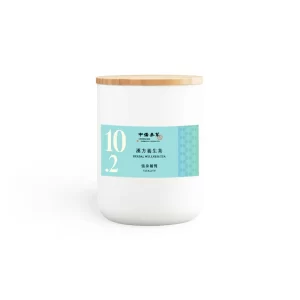
Take Care of Yourself When Life is Busy
At Chong Kio, we believe in nurturing your wellness with nature’s gifts. Experience the harmony of body and mind with Black Ganoderma Lucidum.
More Wellness Knowledge
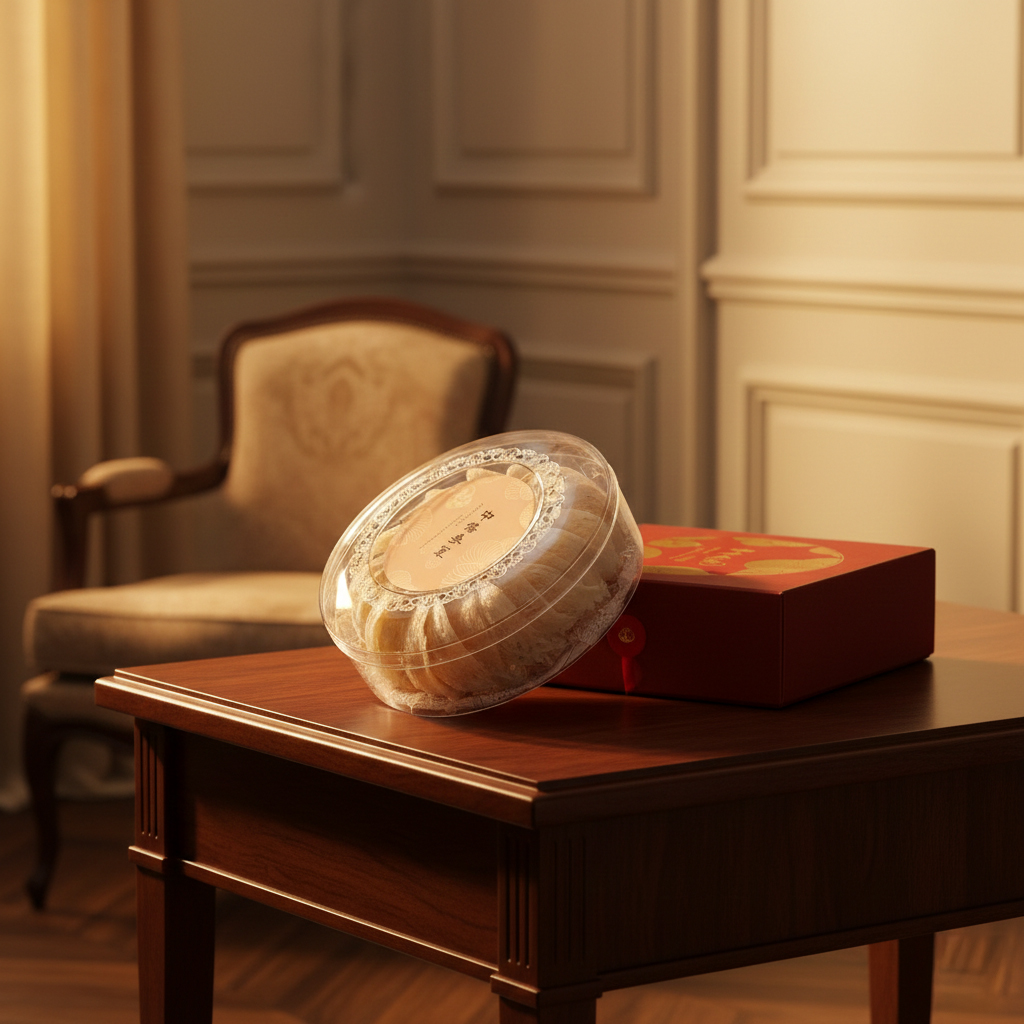
Overview For the Chinese New Year in Hong Kong and Macau, wellness-centered gifts convey respect, gratitude, and cultural meaning. Thoughtful options—such as TCM tonics, herbal teas, premium food baskets, self-care items, and wellness tech—promote health, vitality, and harmony. Choosing symbolic, culturally aligned gifts ensures appreciation while honoring tradition and elders’ well-being. As you prepare for Chinese New Year in Hong Kong and Macau, it’s important to consider the symbolic meaning of your gifts. Each offering should express genuine gratitude and respect, serving as a thoughtful reflection of intention rather than a mere obligation, even amid the demands of a busy […]
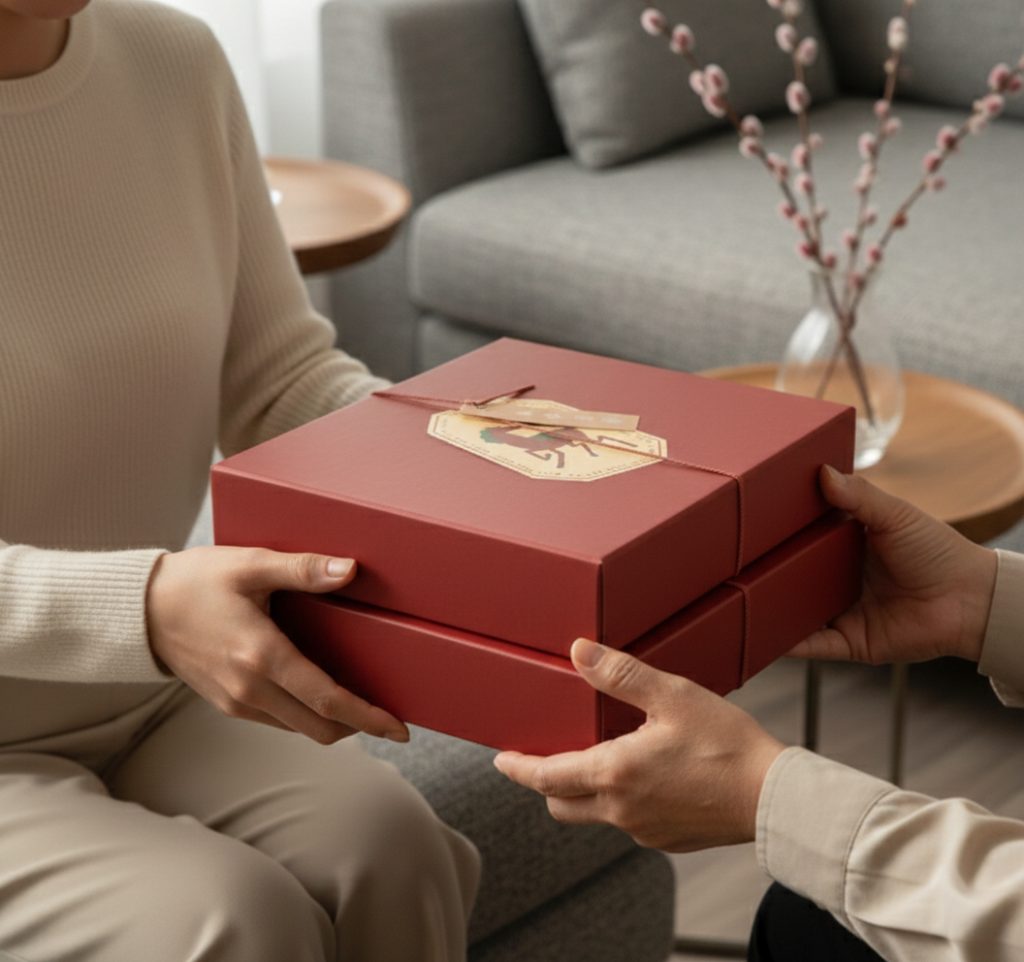
Overview Chinese New Year gifting in Hong Kong and Macau honors family, traditions, and heartfelt intentions. Thoughtful presents for elders reflect care, respect, and cultural symbolism. Understanding proper etiquette ensures meaningful exchanges, while personalized wellness gifts combine tradition with practical support. Chong Kio offers thoughtful options that make giving sincere, respectful, and truly meaningful. Chinese New Year in Hong Kong and Macau is a season guided by tradition and symbolism, where every gesture carries cultural meaning. Gift-giving goes beyond decoration, with each present expressing wishes for health, prosperity, and harmony. This practice holds special significance when honoring elders, reflecting deep […]
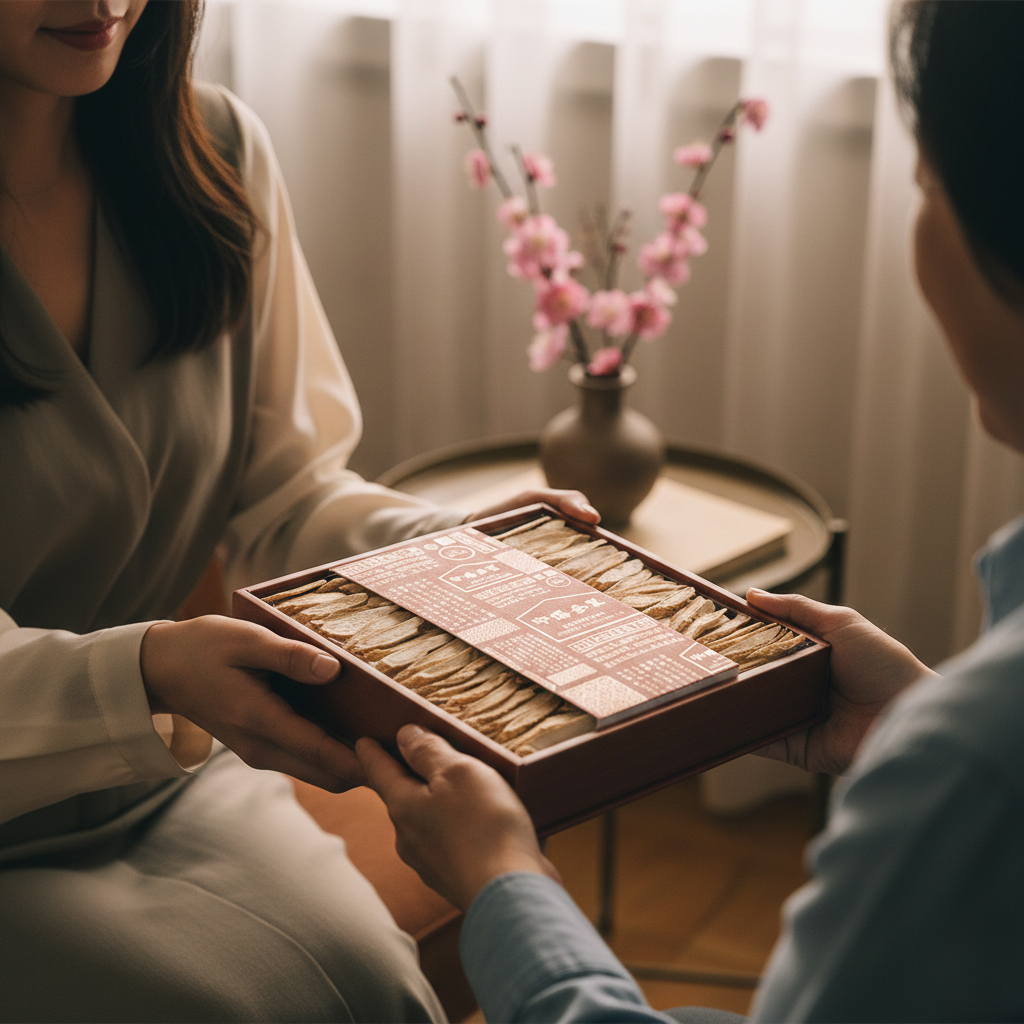
Why does gift-giving matter during the Chinese New Year? Upholds ancient traditions Celebrates cultural expression Reinforces relationships Conveys well-meaning wishes Represents auspicious meanings Overview Chinese New Year gift-giving in Hong Kong and Macau honors elders, preserves filial traditions, and expresses cultural continuity. Symbolic presents such as herbal wellness sets, hongbao, and round fruits convey blessings, strengthen family bonds, and reflect auspicious meanings, while avoiding inauspicious items ensures respect, harmony, and meaningful celebrations across generations. In Hong Kong and Macau, Chinese New Year gift-giving symbolizes respect, gratitude, and cultural continuity. For elderly family members, these thoughtful offerings affirm their cherished […]