 Back To Product Encyclopedia
 Product Knowledge
Dendrobium (Shihu) is one of the earliest recorded orchid species in ancient Chinese literature. It was mentioned in the “Shennong Bencao Jing” (Shennong’s Classic of Materia Medica) during the Qin and Han dynasties. Alongside renowned medicinal herbs such as Lingzhi (Reishi mushroom), Ginseng, and Cordyceps, Shihu is classified as a top-grade medicinal herb in traditional Chinese medicine.
Nature
 Cool
CoolChannel Tropism
 Spleen
 Kidney
 Liver
LiverTaste
 Salty
Salty Plain
PlainBenefits
Dendrobium is appropriate for addressing conditions marked by heat-induced fluid depletion and Yin deficiency. It can help alleviate symptoms such as low-grade fever, restlessness, thirst, dry mouth and throat, vomiting, poor appetite, post-illness weakness with internal heat, dimness of vision, blurred vision, as well as stomach and kidney Yin deficiency followed by internal heat. Dendrobium is frequently utilized in such scenarios.
| . | Protects stomach and intestines Dendrobium has a good inhibitory effect on the common “Helicobacter pylori” in spleen and stomach diseases |
| . | Anti-fatigue Dendrobium can improve the body’s stress response and has good anti-fatigue and hypoxia resistance. It can promote blood circulation and lower blood cholesterol and triglycerides. |
Origins
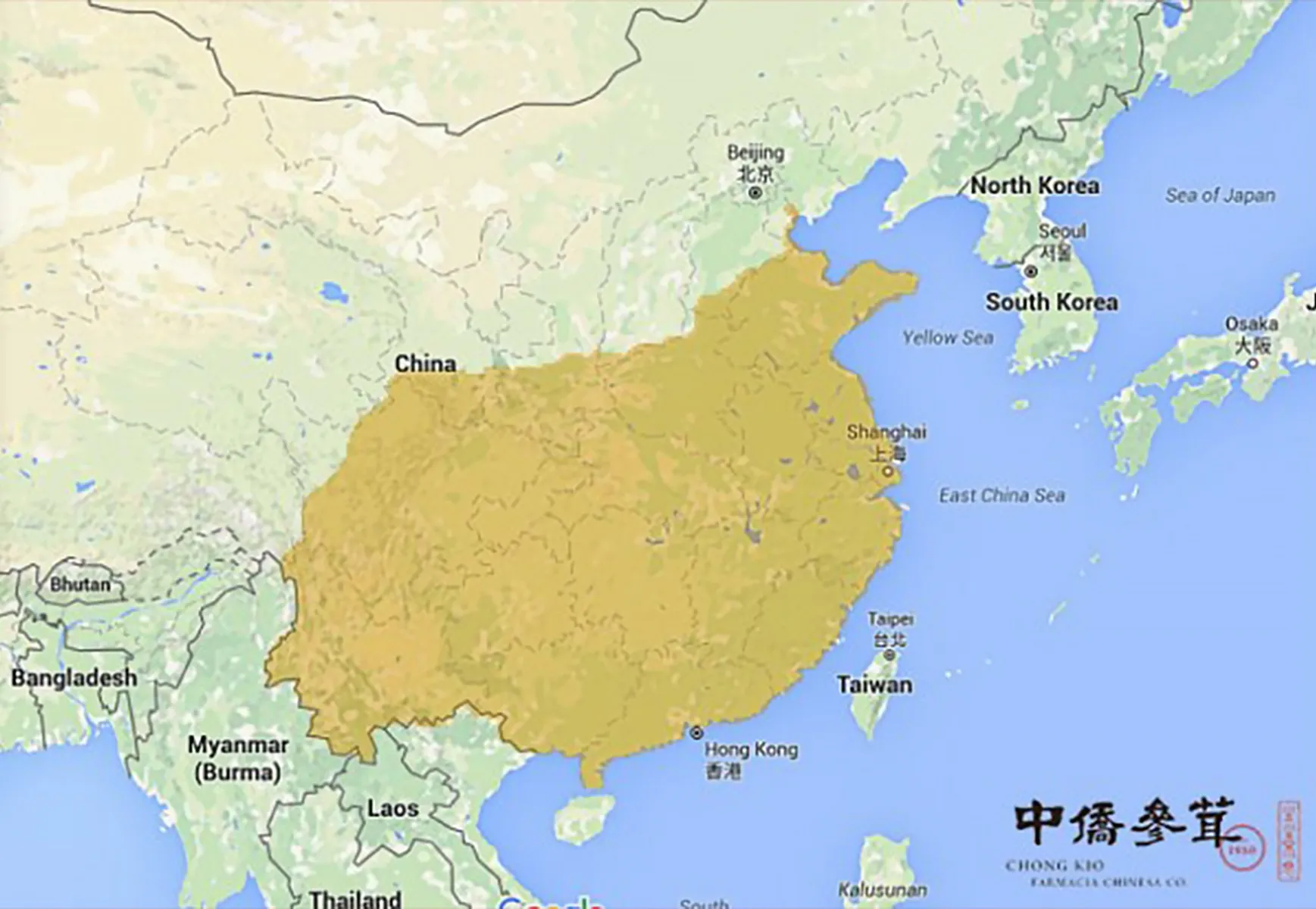
Wild dendrobium are mainly harvested from Zhejiang, Yunnan and Nepal high cliff and mountains.
Habitat
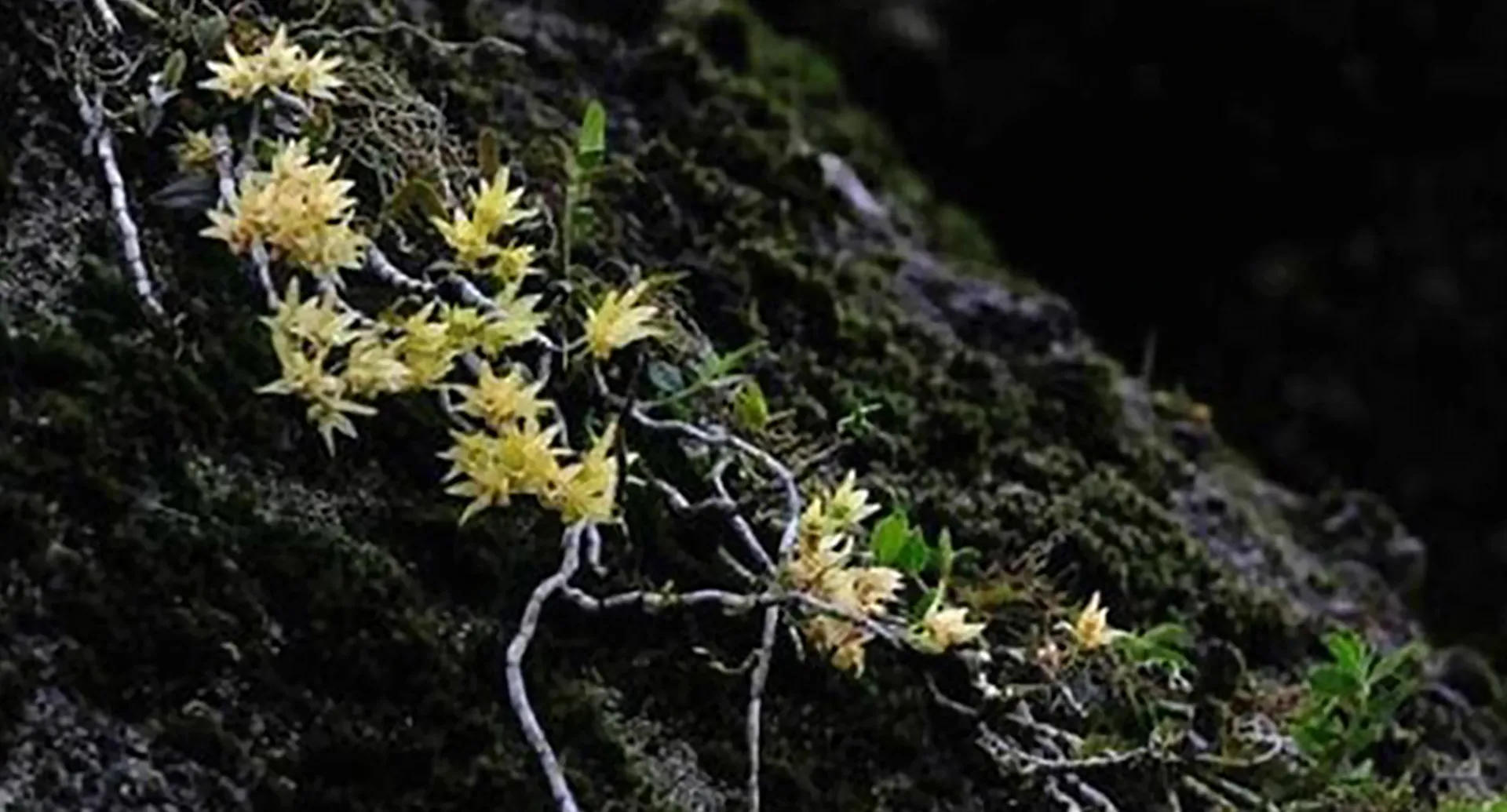
Dendrobium thrives in warm, humid, and semi-shaded environments. It prefers to grow in subtropical deep mountain forests. In the wild, it often grows on loose and thick tree bark or trunks, and sometimes in rocky crevices.
Craftsmanship
For freshly harvested Dendrobium, if consumed immediately, the root hairs and impurities should be removed before further storage. For dried use, the roots should be cleaned and the thin membranous sheaths should be rubbed off. They can then be air-dried or dried using gentle heat. Alternatively, Dendrobium can be briefly scalded in boiling water before drying. This is known as dried Dendrobium.
In addition, a few varieties of Dendrobium, such as Tiepi Shihu, can undergo special processing. The tender stems, approximately 8cm long, are washed and dried. They are then gently stir-fried over low heat until soft. The sheaths are rubbed off while the stems are still warm. They are twisted into a spiral or spring shape repeatedly while hot and then dried. This processed product is known as Fengdou.