 Back To Product Encyclopedia
 Improve sexual function, Alleviating symptoms of menopause.
Product Knowledge
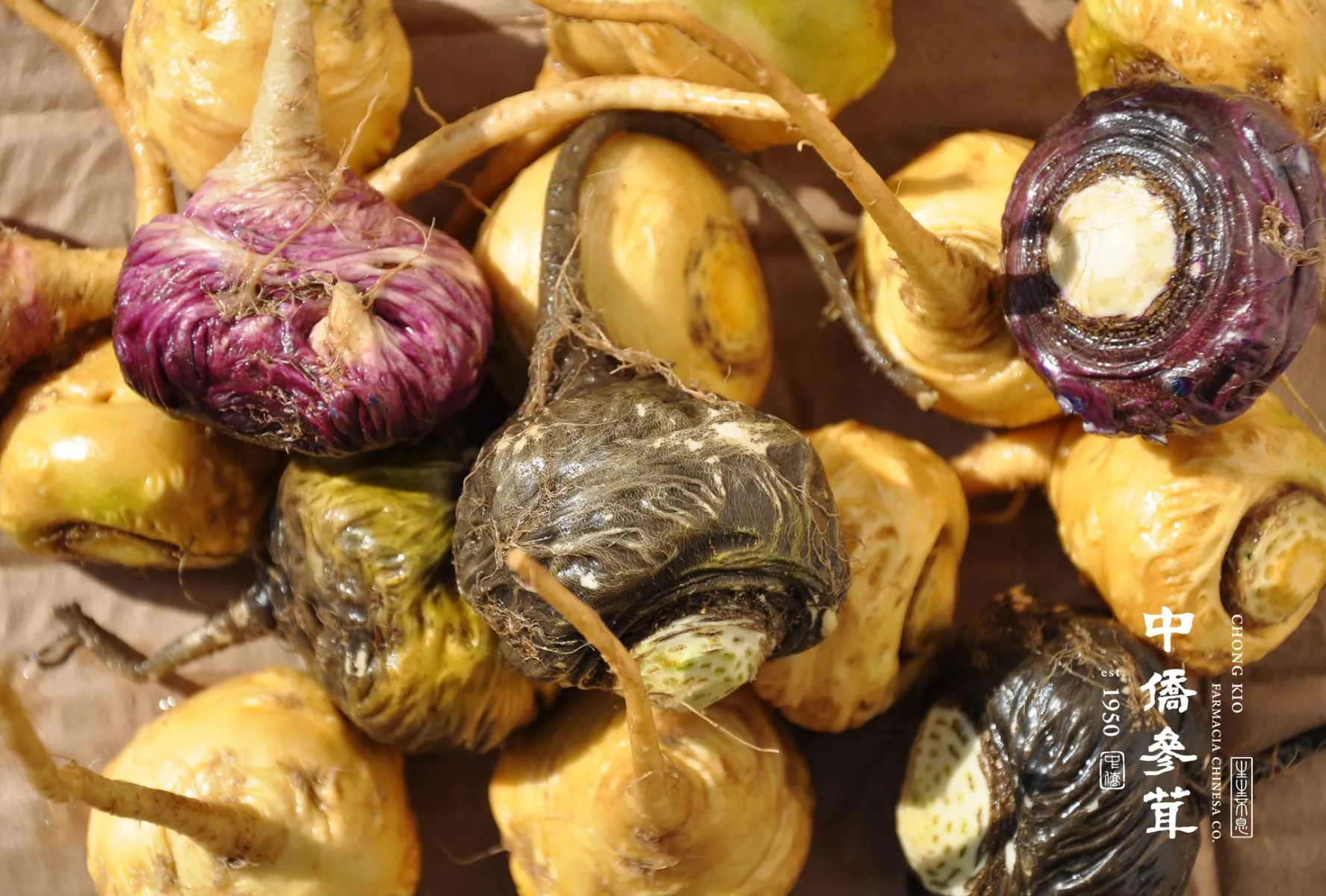
Maca, also known as Peruvian ginseng, is a natural medicinal plant native to the Peruvian Andes. It is rich in vitamins B, C, and E, as well as minerals like calcium, zinc, iron, magnesium, phosphorus, and amino acids. It contains various bioactive compounds that provide several beneficial effects on the human body. In recent years, scientific research has gradually confirmed the potential benefits of maca in regulating the endocrine system, boosting immune function, hormone regulation, and alleviating symptoms of menopause.
Nature
 Warm
WarmChannel Tropism
 Kidney
Taste
 Sweet
Sweet Spicy
SpicyBenefits
Increase fertility, balancing endocrine function and combat fatigue.
| . | Increase fertility Maca contains “macaene” and “macamide,” which are believed to effectively improve sperm motility, quantity, and survival rate. |
| . | Balance endocrine function Maca contains “alkaloids” that act on the hypothalamus and pituitary gland in the human body, which is believed to have a balancing effect on hormones. This can help improve the body’s endocrine system and achieve hormonal balance. Maca has been reported to have positive effects on symptoms related to menopause in women. |
| . | Anti-fatigue Maca contains “maca polysaccharides” that can enhance the activity of hepatic superoxide dismutase and increase the concentration of glutathione. This helps regulate the levels of blood lipids and steroids, thereby reducing lipid levels and enhancing the body’s anti-fatigue ability. |
Origins
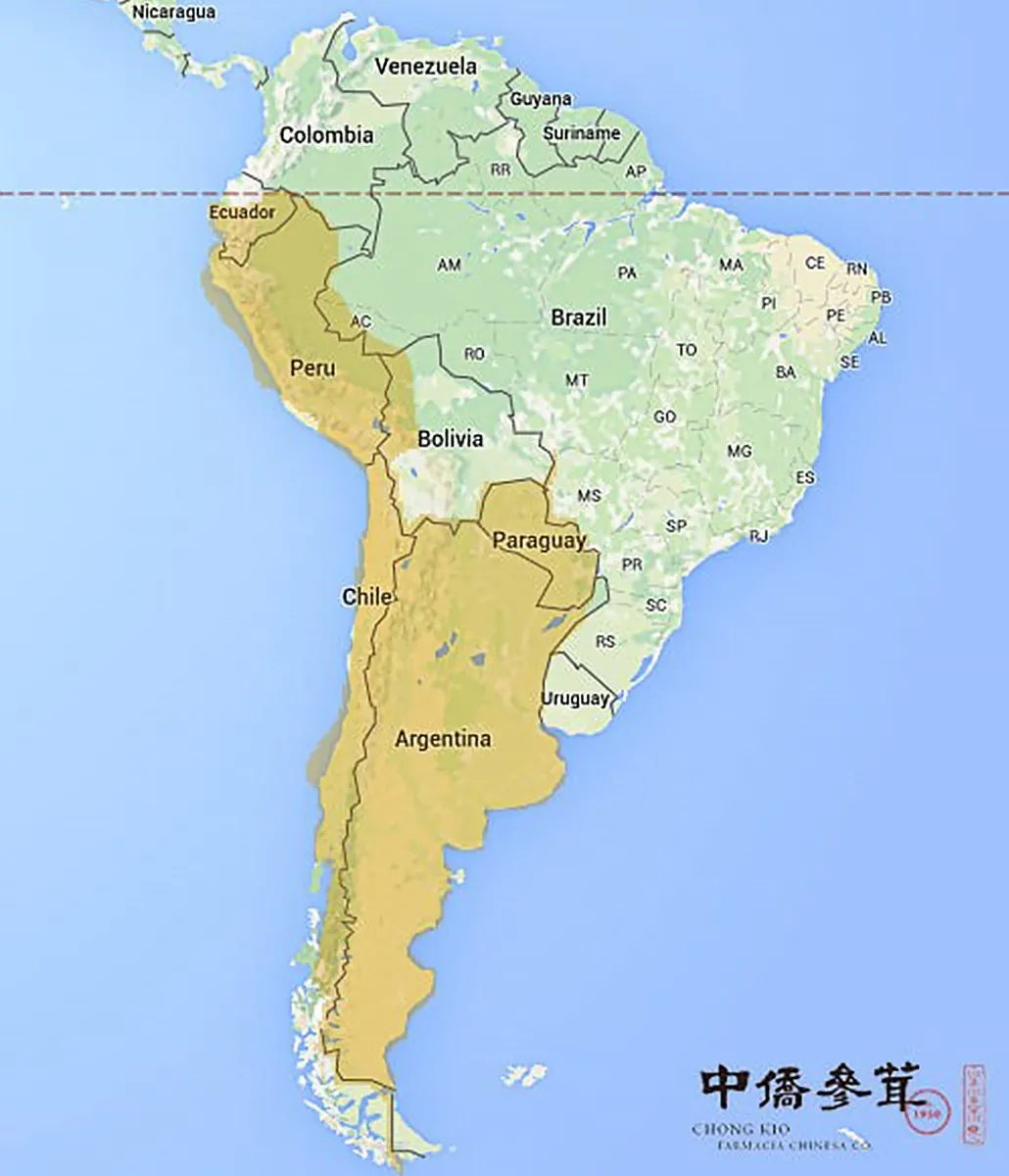
Maca, a plant native to the Andes Mountains of Peru, thrives in challenging growth conditions. It can only be cultivated in high-altitude, cold regions above 3,000 meters. Maca plants require a significant temperature difference of over 30°C between day and night, ample rainfall, and the existence of freshwater lakes nearby to flourish. Additionally, maca has a significant “absorption capacity” for soil nutrients. Following each harvest season, the land used to cultivate maca must undergo a resting period of seven years. This practice allows the soil to regenerate and replenish its nutrients, ensuring the continued health and productivity of the maca crop in subsequent growing seasons.
Habitat
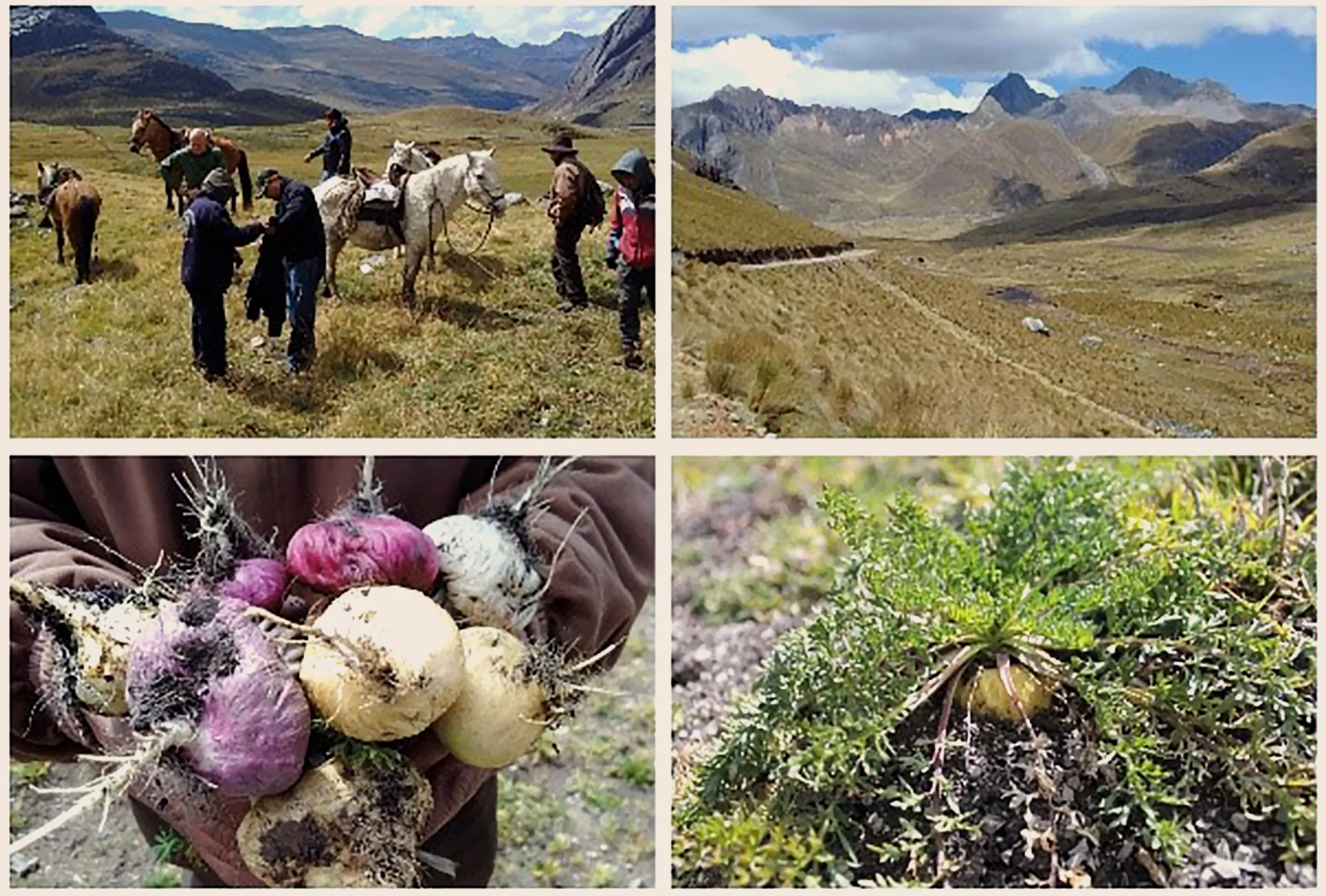
Maca is a plant that thrives in the demanding conditions of high-altitude plateaus exceeding 3,000 meters in the Andes Mountains. It necessitates a notable temperature variation between day and night in its habitat. The environment where maca grows is characterized by harsh living conditions and requires abundant rainfall. Moreover, the presence of freshwater lakes in the vicinity is essential for supporting the growth of maca plants.
Maca is native to high-altitude mountainous regions and thrives in areas with high altitudes, low latitudes, significant temperature differences between day and night, slightly acidic sandy loam soil, and abundant sunlight. These conditions are favorable for the growth of maca plants.
The main cultivation areas for maca are located in the Andes Mountains in South America and the Yulong Snow Mountain region in Lijiang, Yunnan, China. These two major production regions have significant areas of suitable land for maca cultivation. There are also smaller-scale cultivation areas in other regions of Yunnan, as well as in Xinjiang, Tibet, and other parts of China.
Craftsmanship
Maca is typically harvested by hand in the Andean regions where it is cultivated. The harvesting process involves several steps:
1. Farmers inspect the maca plants to determine their readiness for harvesting. Mature maca plants are characterized by their height, foliage color, and the formation of tubers.
2. Once the plants are deemed mature, farmers carefully dig around the base of the plant to unearth the maca tubers. This process requires precision to avoid damaging the tubers.
3. After digging up the tubers, they are cleaned to remove excess soil and debris. This can be done manually or using equipment to streamline the process.
4. The cleaned maca tubers are laid out in the sun or dried using specialized drying equipment. Drying is crucial for preserving the tubers and preparing them for further processing.