 Back To Product Encyclopedia
 Tonify, nourish and enhance the qi in liver and heart.
Product Knowledge
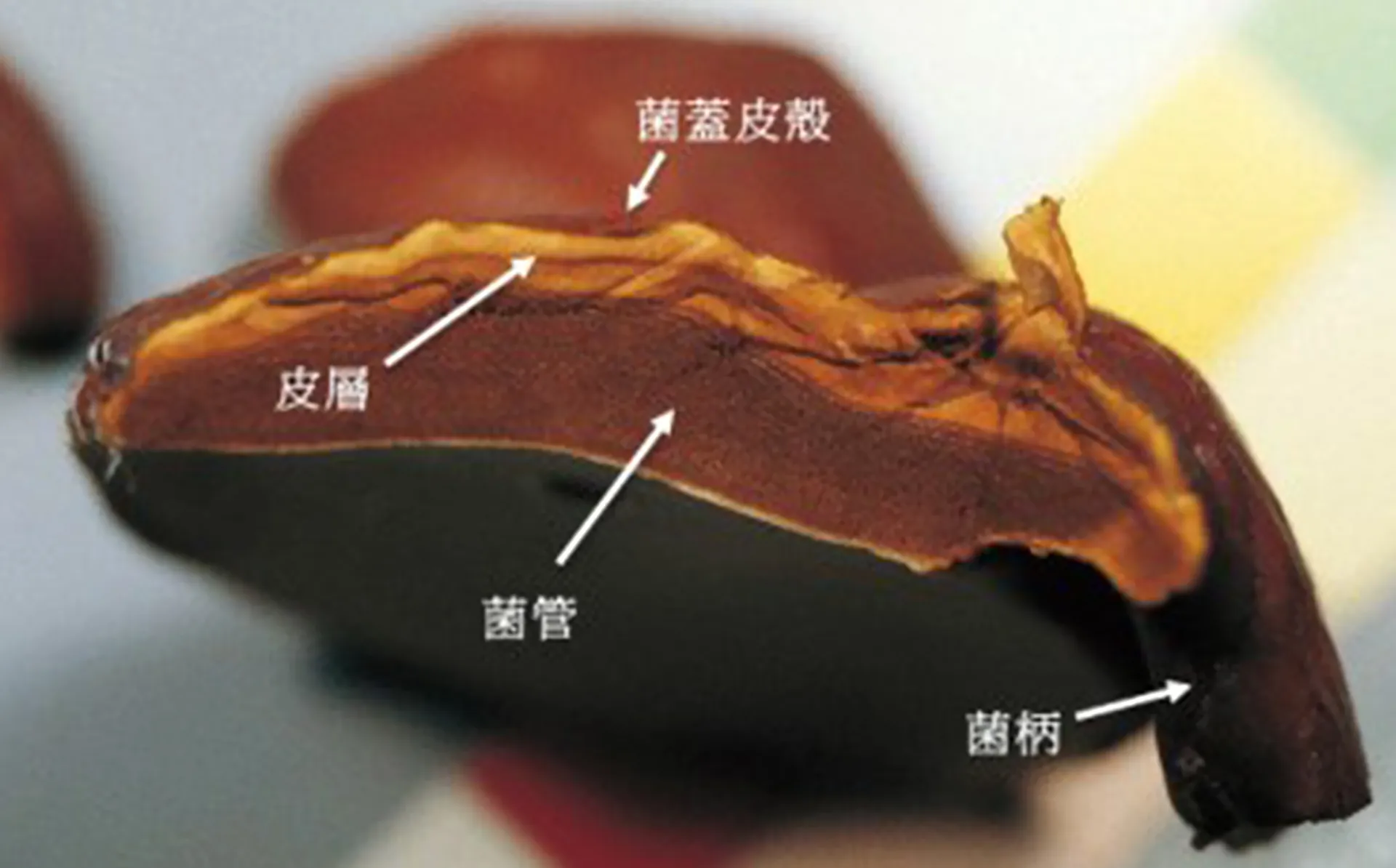
Lucid Ganoderma, also known as Reishi mushroom. In ancient China, Lucid Ganoderma was believed to have the power to confer longevity and resurrect the dead, and was revered as a divine herb. The Shennong Bencao Jing, a classic Chinese herbal text compiled towards the end of the Eastern Han dynasty, states the following about Lucid Ganoderma: “It nourishes the essence of life to respond to Heaven, is non-toxic, and prolonged consumption does not harm the body. It lightens the body and enhances the qi (vital energy), preventing aging and extending longevity.”
Nature
 Cool
CoolChannel Tropism
 Heart
Heart Spleen
 Lung
LungTaste
 Plain
PlainBenefits
Lucid Ganoderma contain a rich array of bioactive compounds, including Triterpenes (e.g. ganoderic acids) Polysaccharides, Vitamins and Trace Minerals. Due to this diverse phytochemical profile, Lucid Ganoderma is believed to have a wide range of therapeutic effects, including tonifying the liver qi, benefiting the heart qi, nourishing the lung qi, stabilizing the kidney qi and boosting the essence qi. Modern pharmacological research has confirmed that Lucid Ganoderma possesses anti-cancer properties, anti-aging/longevity effects, calming/sedative actions, cough-suppressant and expectorant effects, neuroprotective and cognition-enhancing abilities as well as potent immune-modulating and adaptogenic activities.
| . | Anti-Tumor Effects Lucid Ganoderma is known to exert inhibitory effects on cancer cells by stimulating the production of interleukin-2 (IL-2) in the body. This action enhances the phagocytic function of monocytes and macrophages, thereby bolstering the body’s innate immune defenses. Consequently, Lucid Ganoderma demonstrates a certain inhibitory effect on cancer cells. |
| . | Blood Sugar and Diabetes Regulation Lucid Ganoderma contains a compound known as “Ganoderan B,” which has the ability to mimic the function of insulin in the body. Ganoderan B plays a role in inhibiting the release of fatty acids, which aids in regulating the balance of blood sugar and urinary glucose levels in the body. |
| . | Improved Blood Circulation Lucid Ganoderma contains a compound called “ganodermic acid” (Lucid Ganoderma adenosine). Through the combined action of ganodermic acid and its derivatives, Lucid Ganoderma can inhibit the phosphorylation of platelet inositol phosphate. This in turn suppresses the aggregation of platelet contractile proteins, ultimately leading to a reduction in blood viscosity. The decrease in blood viscosity effectively improves the efficiency of oxygen and nutrient delivery via the circulatory system. This enhanced blood flow helps address conditions related to poor circulation, such as blood stasis, general weakness, and other circulatory disorders. |
| . | Delayed Aging Lucid Ganoderma is effective in reducing the amount of free radicals within the body. It prevents lipid peroxidation, which helps promote cell regeneration and improve microcirculation. By mitigating oxidative stress and enhancing cellular function, Lucid Ganoderma can stimulate the body’s production of collagen. This helps delay the aging process. |
Origins
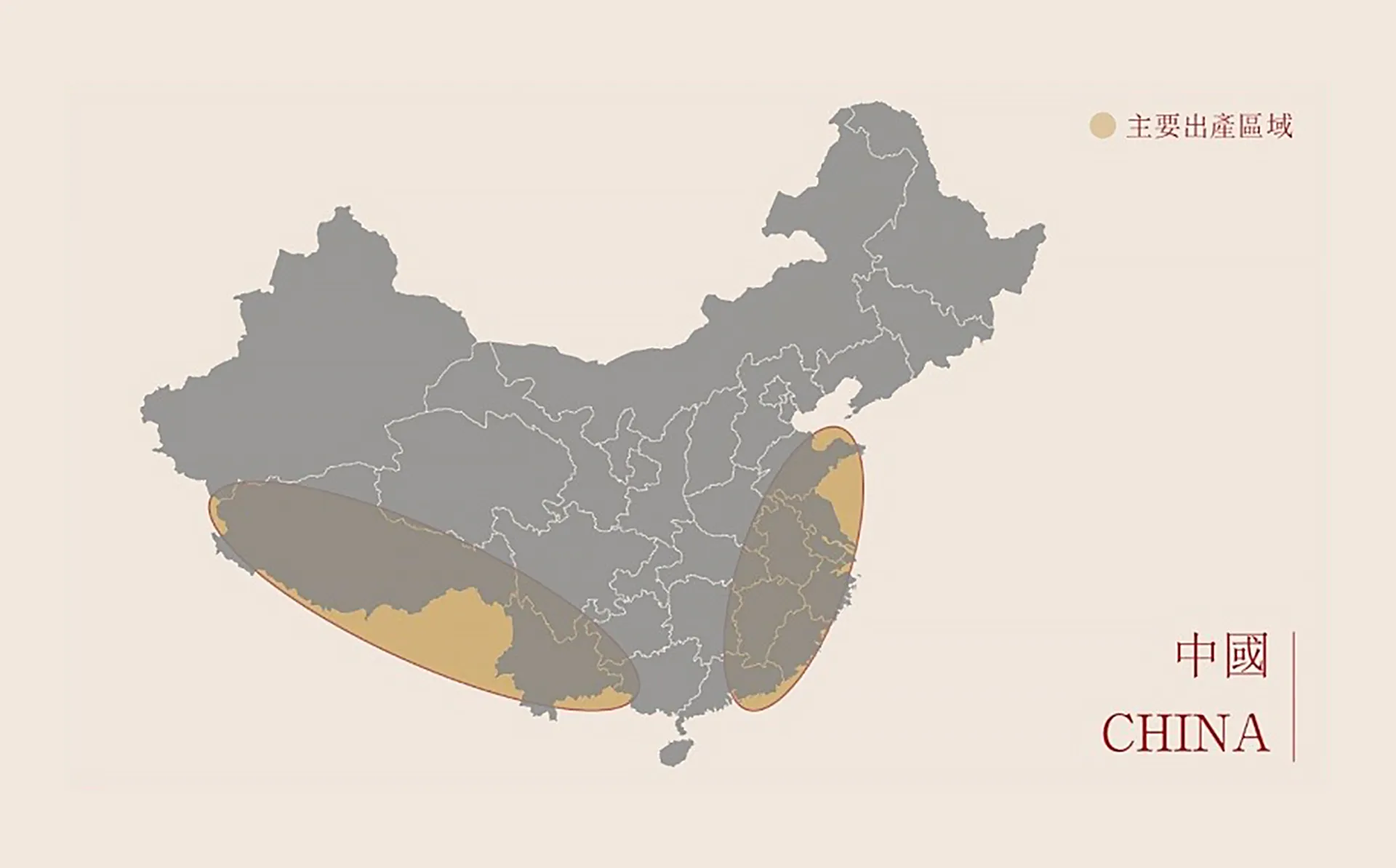
Lucid Ganoderma is mainly found in China, the Korean Peninsula and Japan.
Habitat
The optimal temperature for the differentiation of normal fruiting bodies is between 24~30°C, and the relative humidity in the environment during the growth period should be between 85~95%.
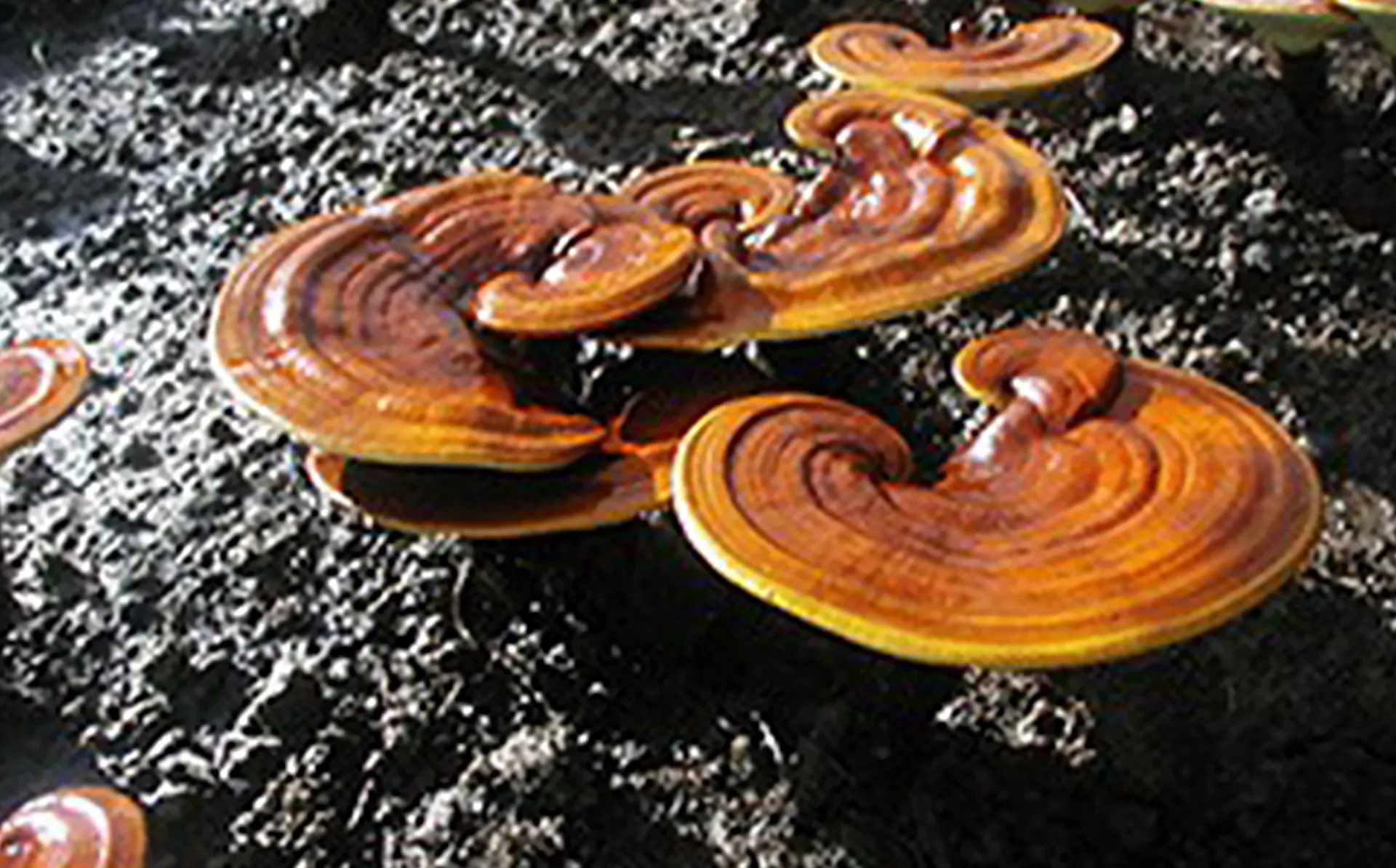
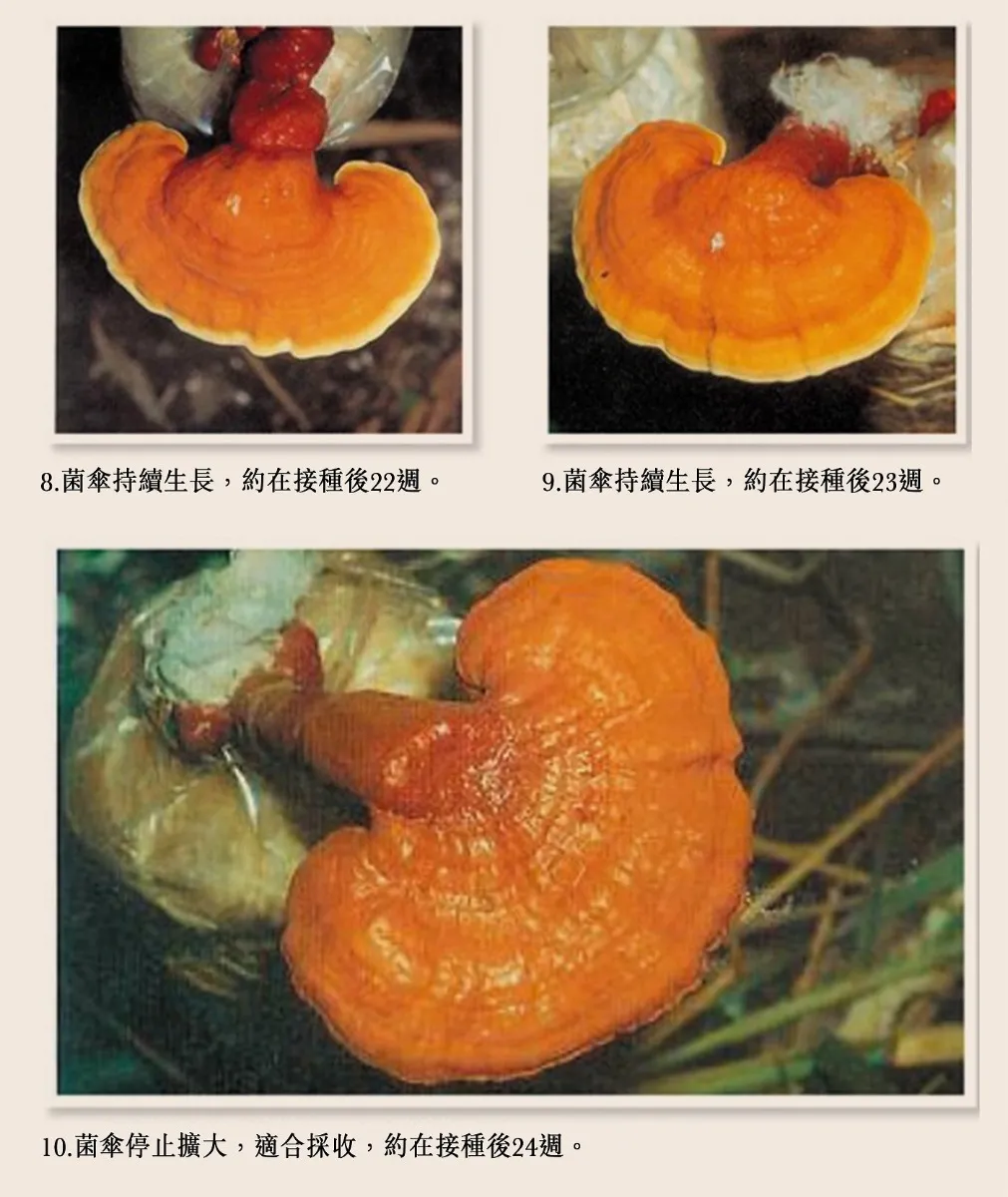
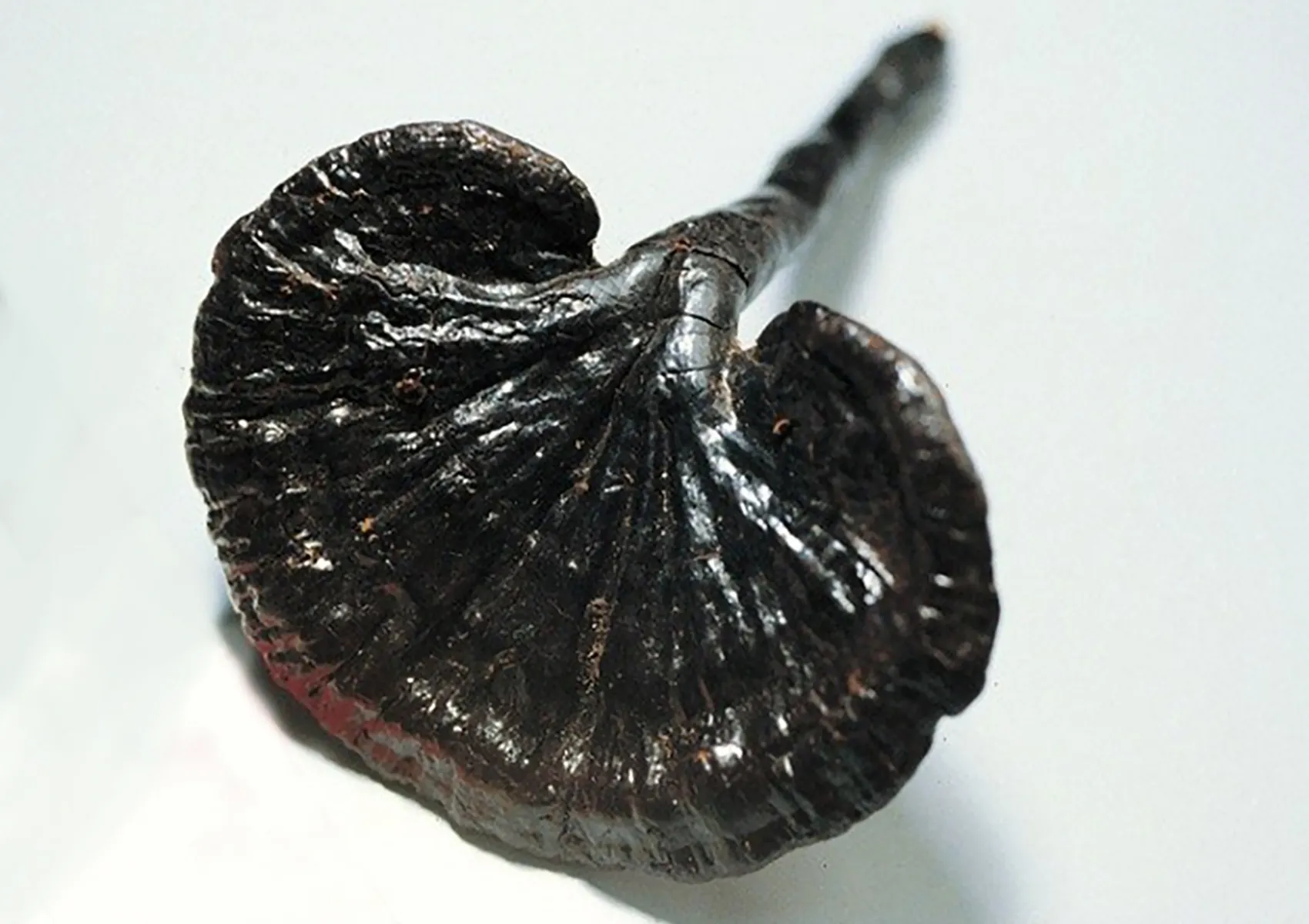
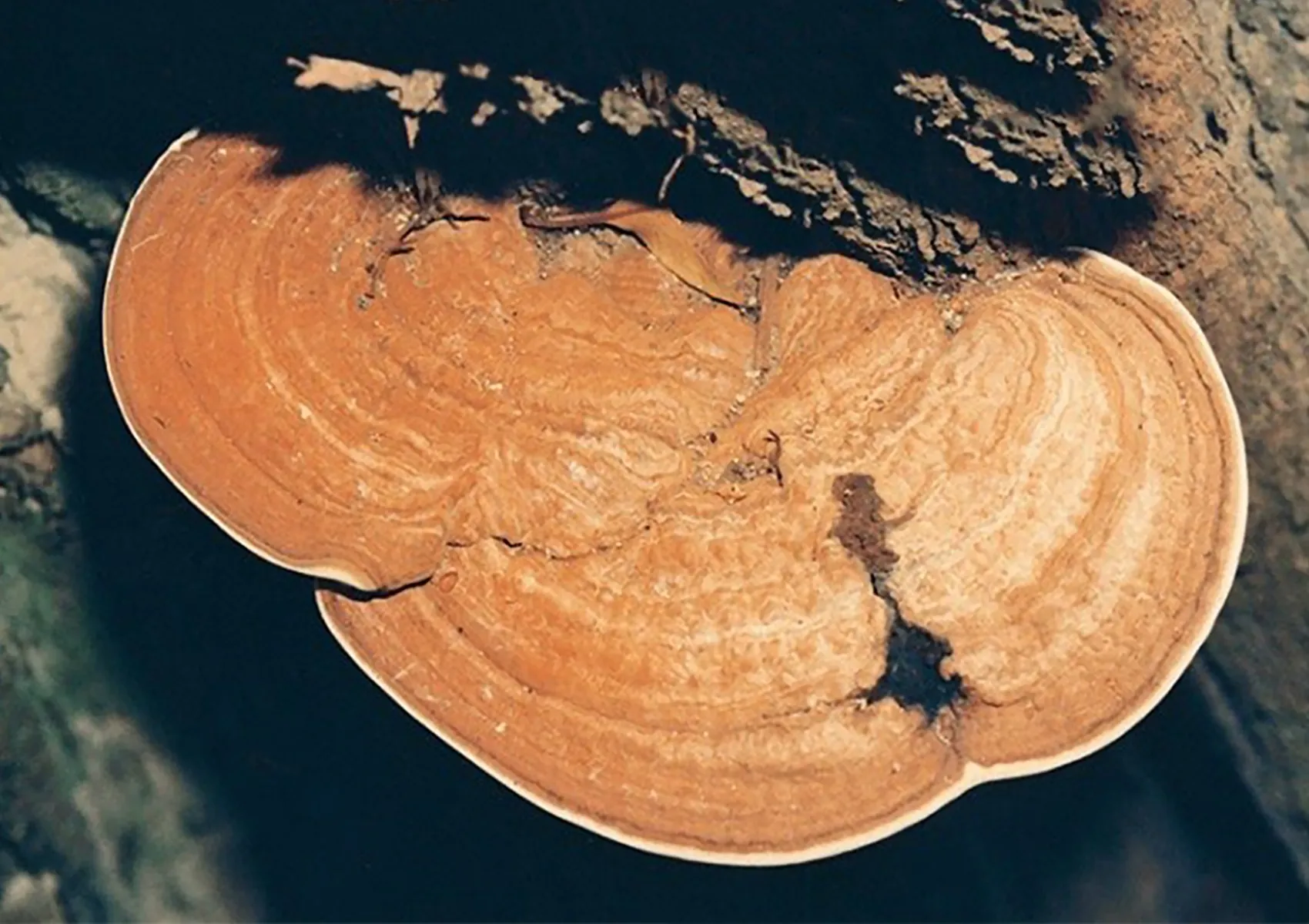
In general, the fruiting bodies of Lucid Ganoderma mushrooms are mostly annual, characterized by a cap (pileus) and a stipe (stem). The mushroom cap is usually semi-circular, kidney-shaped, or shell-shaped, exhibiting a glossy, lacquered appearance. It often displays concentric circular patterns or vertical lines radiating outward on the surface. The cap’s color can vary, ranging from gray-white, yellowish-brown, purple-red, to purple-black. At times, different color zones may be present on the same cap, dependent on the growth and maturation stage. Typically, the outermost areas of the cap have lighter hues, gradually deepening towards the center.
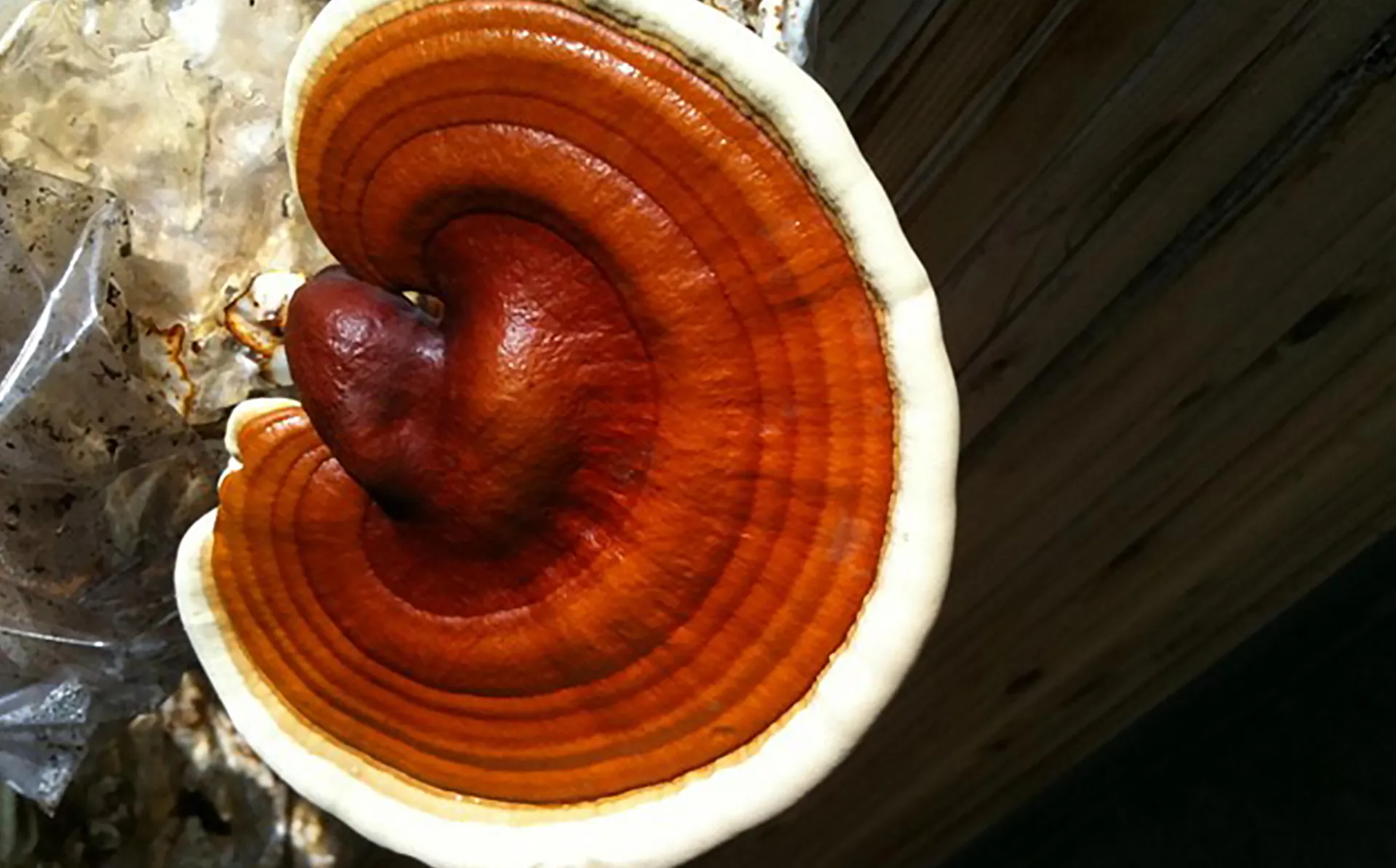
The main characteristics for recognizing fungi in the Lucid Ganoderma/reishi family in the wild are: A dense, porous spore-bearing surface (hymenophore) on the underside of the cap. A smooth, hard surface on the mature mushroom cap. Concentric “cloud-like” patterns on the cap surface, resulting
Crafsmanship
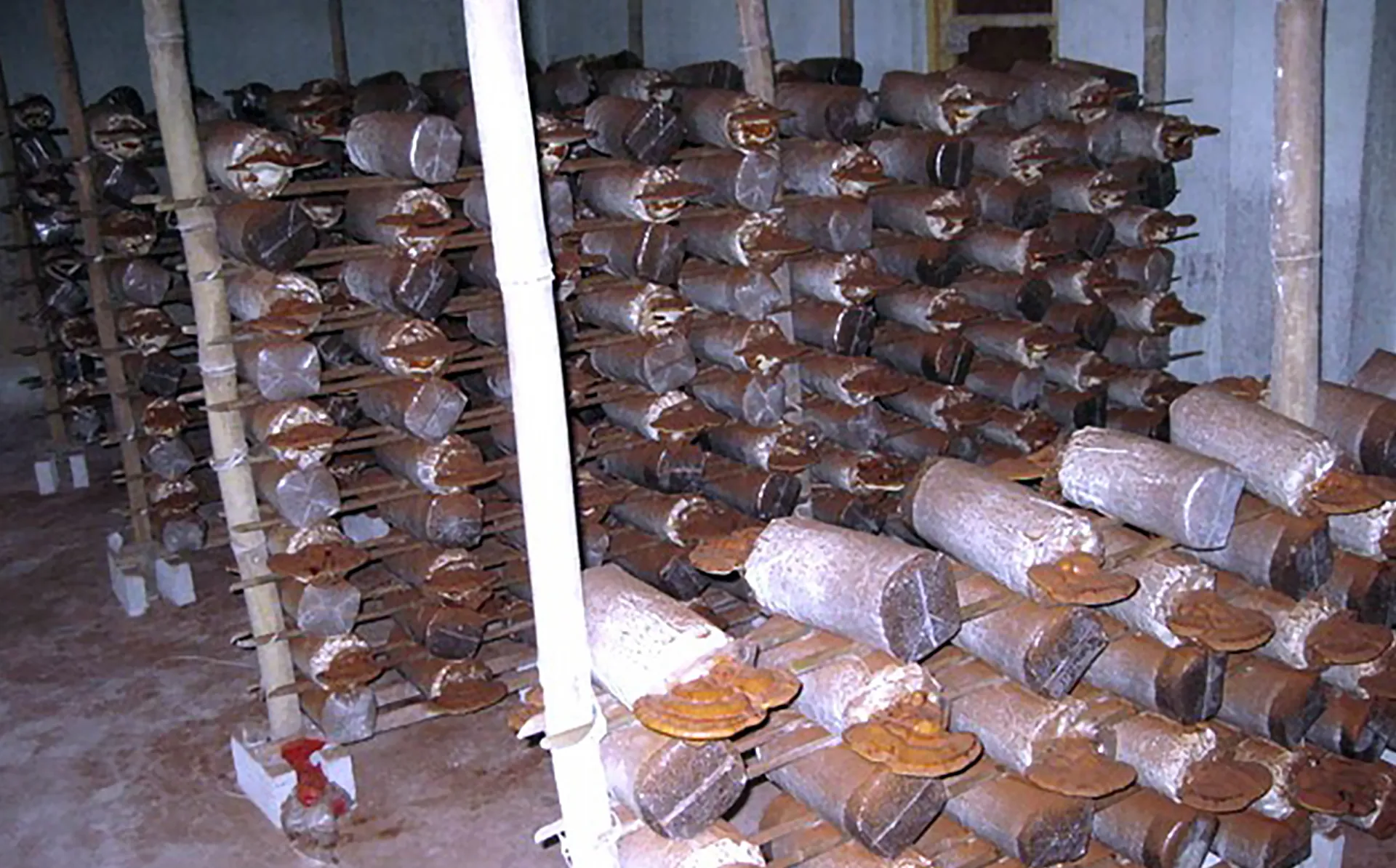
Lucid Ganoderma is a wood-decomposing fungus that does not require symbiotic relationships with plants. This makes it relatively easy to cultivate artificially. The cultivation technology for Lucid Ganoderma has become quite advanced. The growth medium typically consists of Carbon sources: Sawdust, cotton hulls, various crop stalks, Nitrogen sources: Wheat bran, soybean meal and mineral supplements such as calcium, sulfur, phosphorus, potassium, and trace elements.
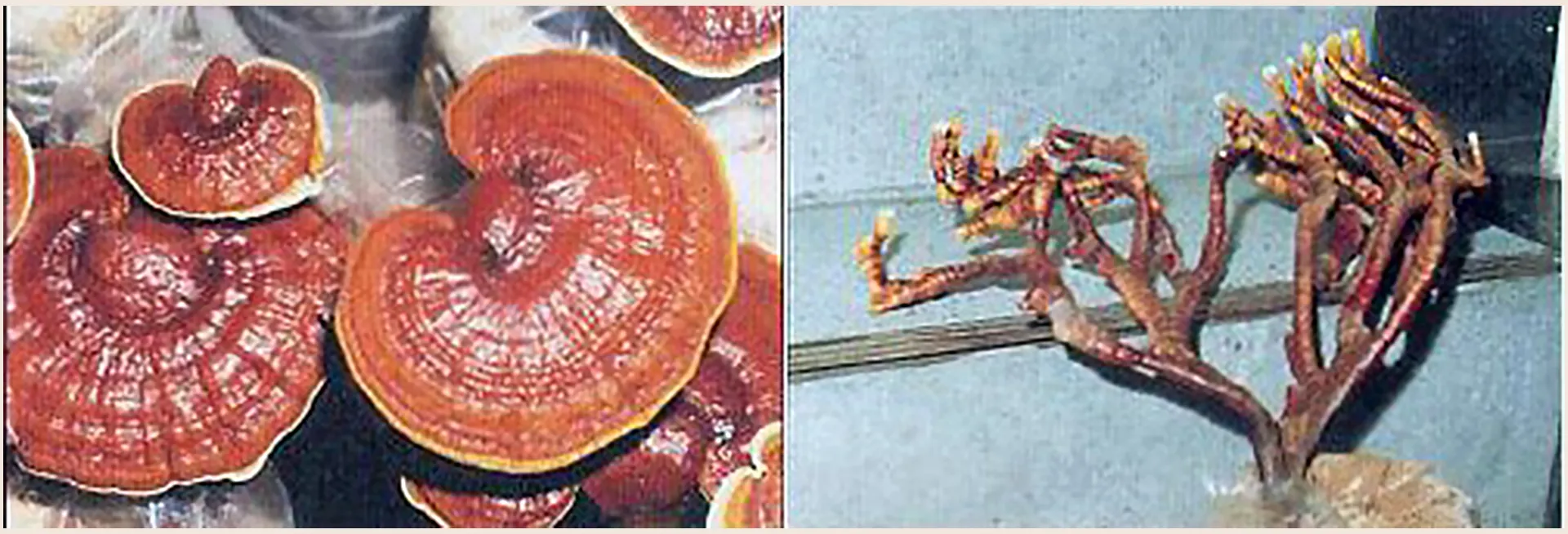
During the growth of the Lucid Ganoderma fruiting body, a relatively humid environment is required. When the mushroom cap (pileus) is undergoing differentiation, appropriate lighting and ventilation become crucial factors. If the environmental conditions are not properly controlled during this cap differentiation stage, it can lead to the formation of antler-like Lucid Ganoderma specimens, known as “deer horn” Lucid Ganoderma.
Classification of Lucid Ganoderma
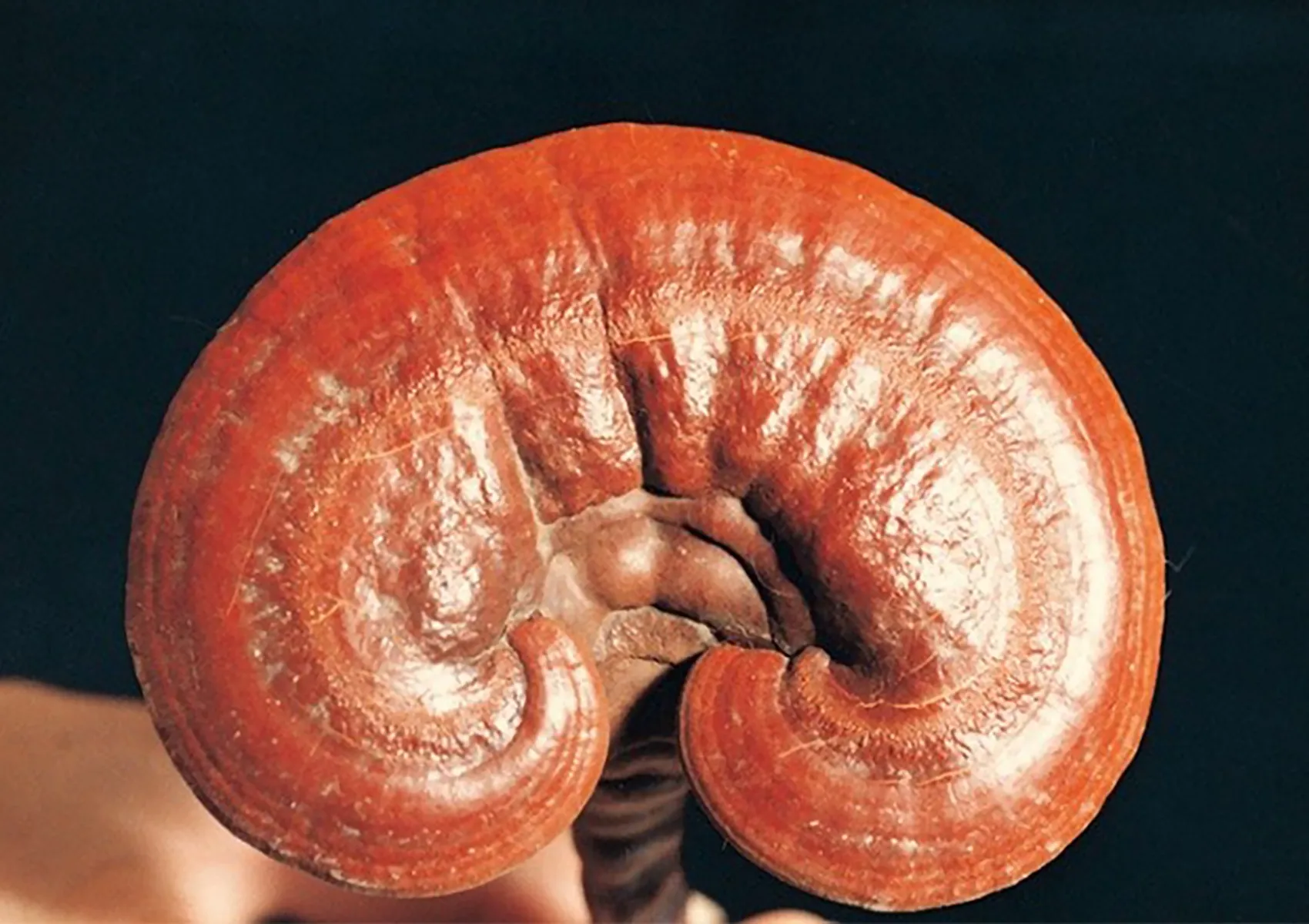
Red Lucid Ganoderma (Dan Zhi)
It is also commonly referred to as the “representative species” of the Lucid Ganoderma group. It has a bitter and neutral (non-toxic) flavor, traditionally used to treat chest congestion and benefit the heart qi. The mushroom cap (pileus) has a kidney-shaped, semi-circular, or near-circular form, the surface is reddish-brown in color with a lacquered, glossy appearance and the stipe (stem) is the same color as the cap or slightly darker.
Purple Lucid Ganoderma (Mu Zhi):
The mushroom cap (pileus) is brown, purple-black, to nearly black in color. The flesh of the mushroom is a uniform brown to chestnut brown color, the spores produced by this variety are generally larger than those of the more common red Lucid Ganoderma.
Yellow Lucid Ganoderma (Jin Zhi)
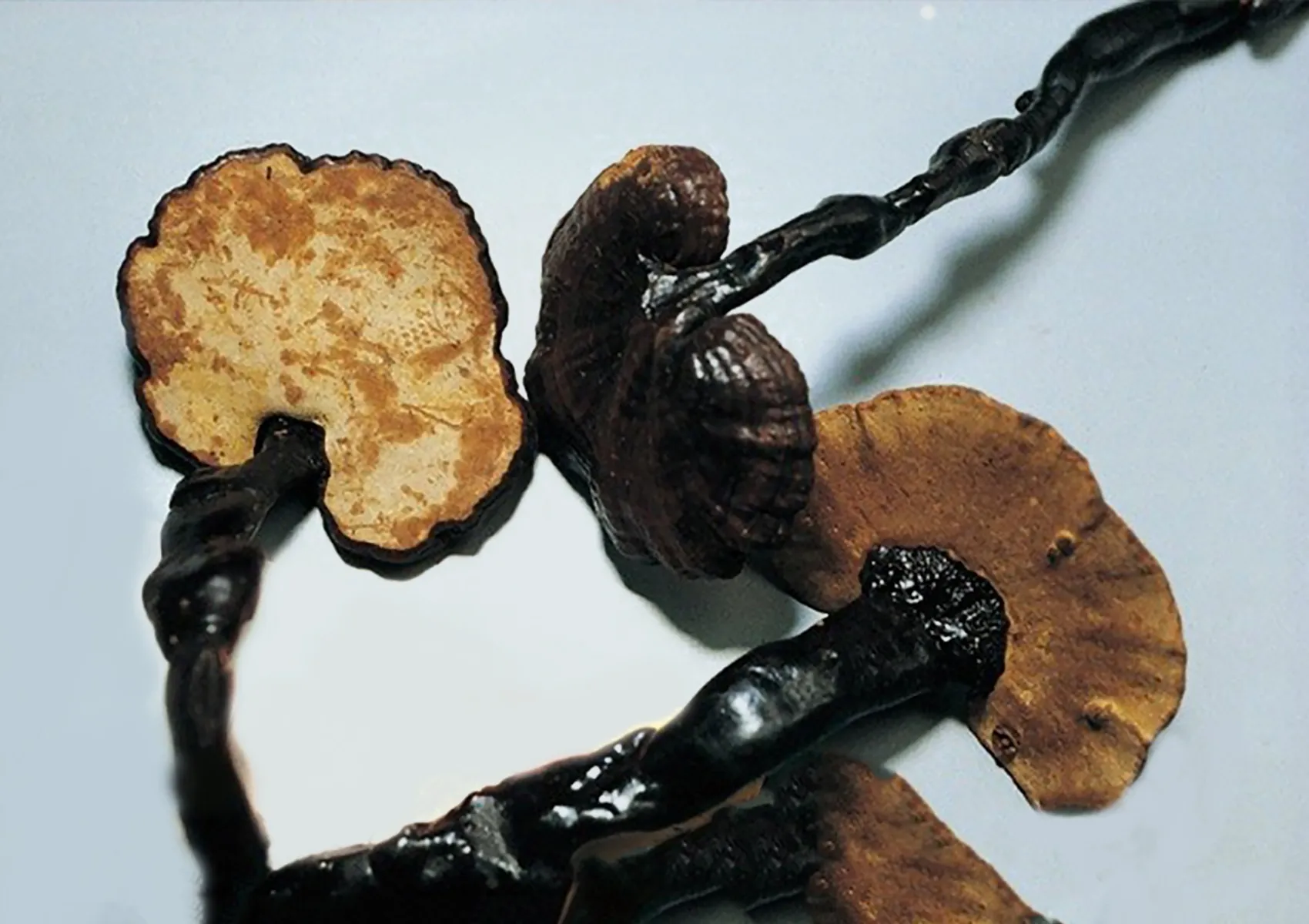
The mushroom cap (pileus) is a golden yellow color, likened to purple-gold. The flesh can be very substantial, with large specimens weighing over 10 pounds and smaller ones around 3-4 pounds. The texture is fleshy and juicy when fresh. Fresh specimens can often reach several pounds in weight.
Black Lucid Ganoderma (Xuan Zhi)
The mushroom cap (pileus) and stipe (stem) are black in color. According to the Cai Zhi Tu text, the black Lucid Ganoderma grows in shady mountain valleys. The cap is described as being black with red veins, and the stem is also black and the flavor is described as salty and bitter.
Green/Blue Lucid Ganoderma (Long Zhi)
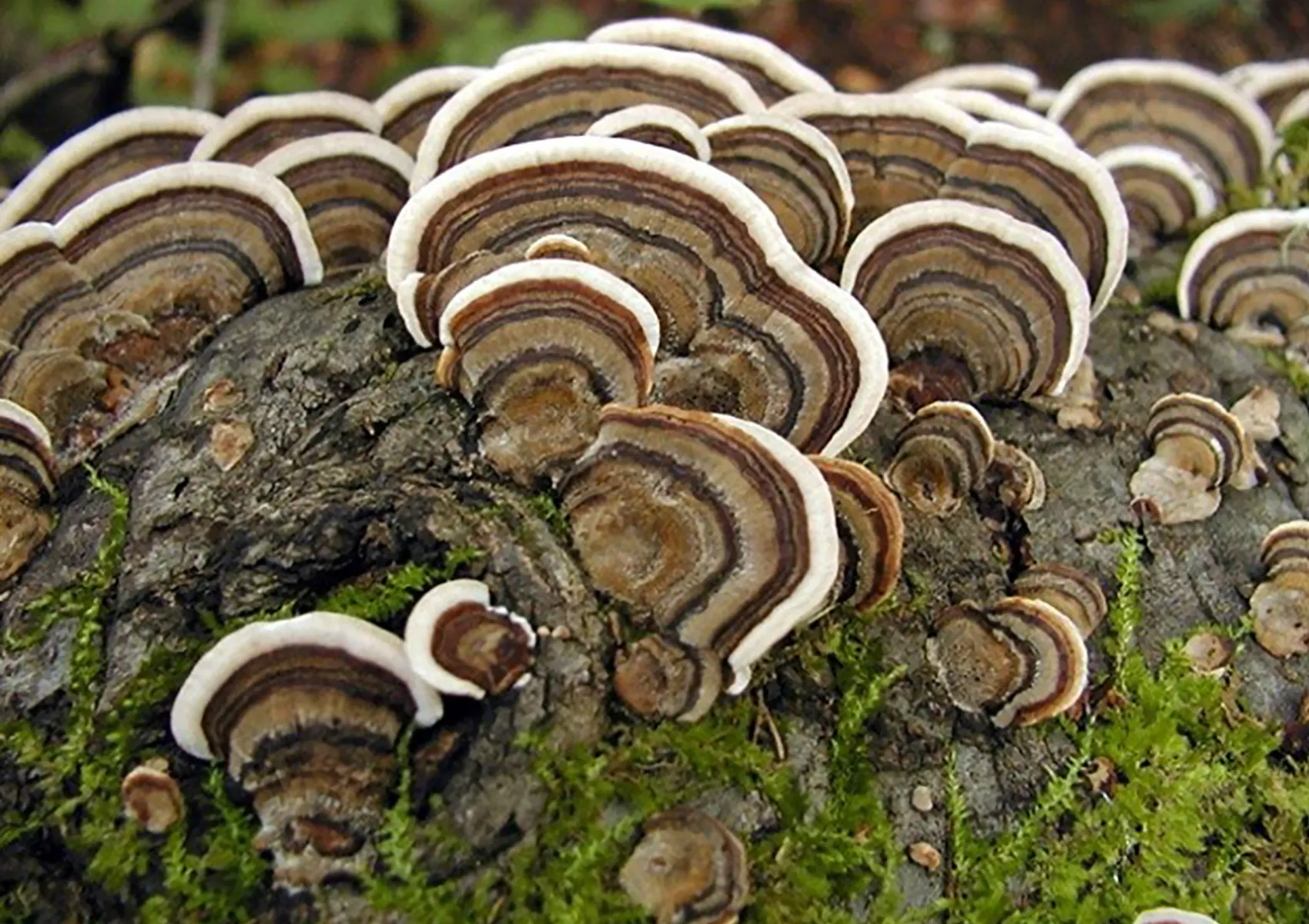
The mushroom cap (pileus) is described as being the color of “green jade feathers” according to the Bao Pu Zi text. It is believed that the Yunzhi mushroom may be a representative of the green/blue Lucid Ganoderma variety. These mushrooms have a leathery cap texture and a short velvety surface, allowing for diverse color variations.
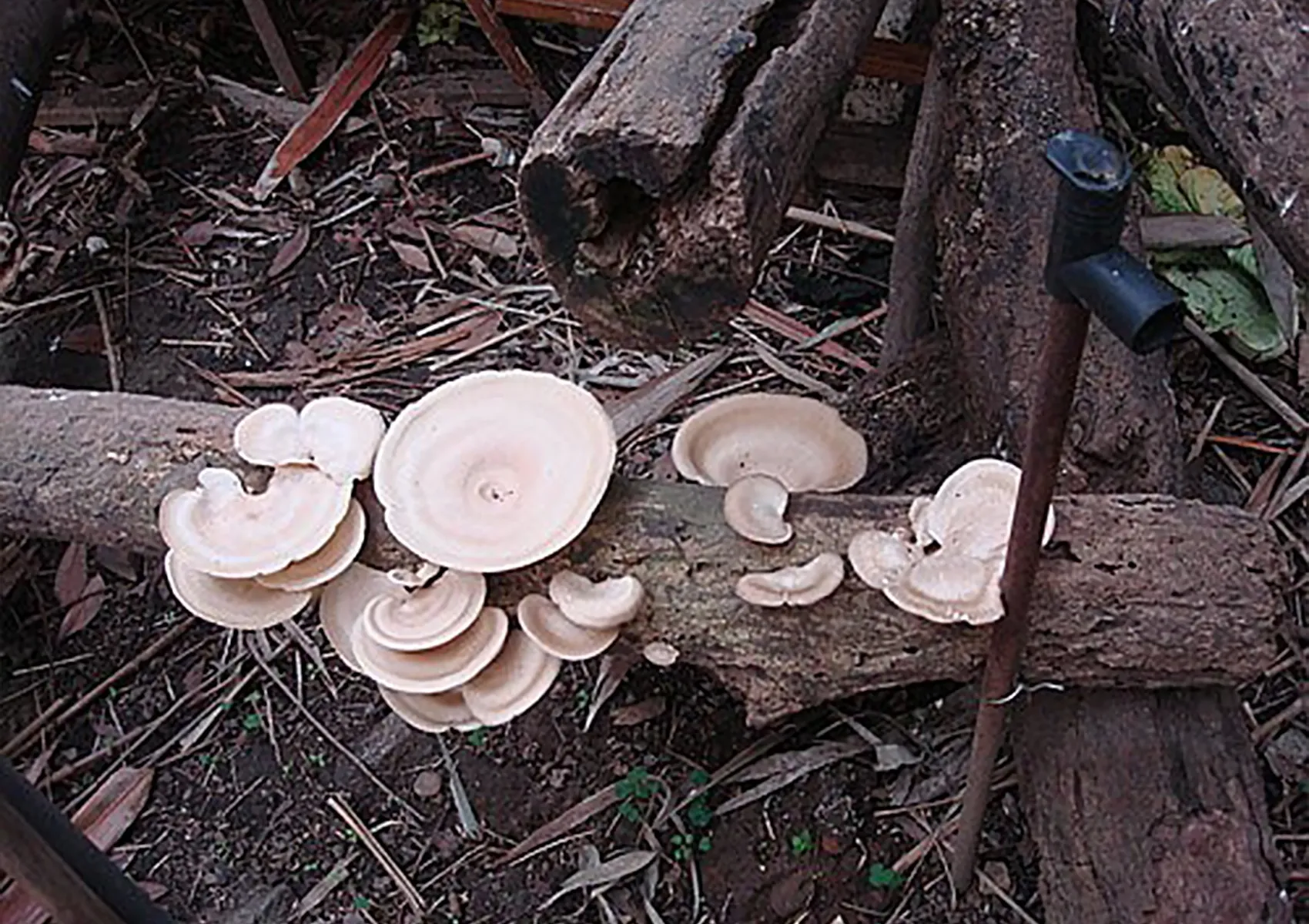
White Lucid Ganoderma (Yu Zhi)
The mushroom flesh is described as being white in color. The mushroom shape is compared to a “chopped lard” in the Bao Pu Zi text. The mushroom can grow to a large size, weighing several pounds. It grows on pine and other coniferous trees.